
Sustainable Fruit Trees & Shrubs
A one-time, sustainable planting that pays you back for years.
It's easy to assume fruit growing is for people with orchards, not balconies or small backyards. That's not true anymore, and it might be the most rewarding, sustainable thing you plant.
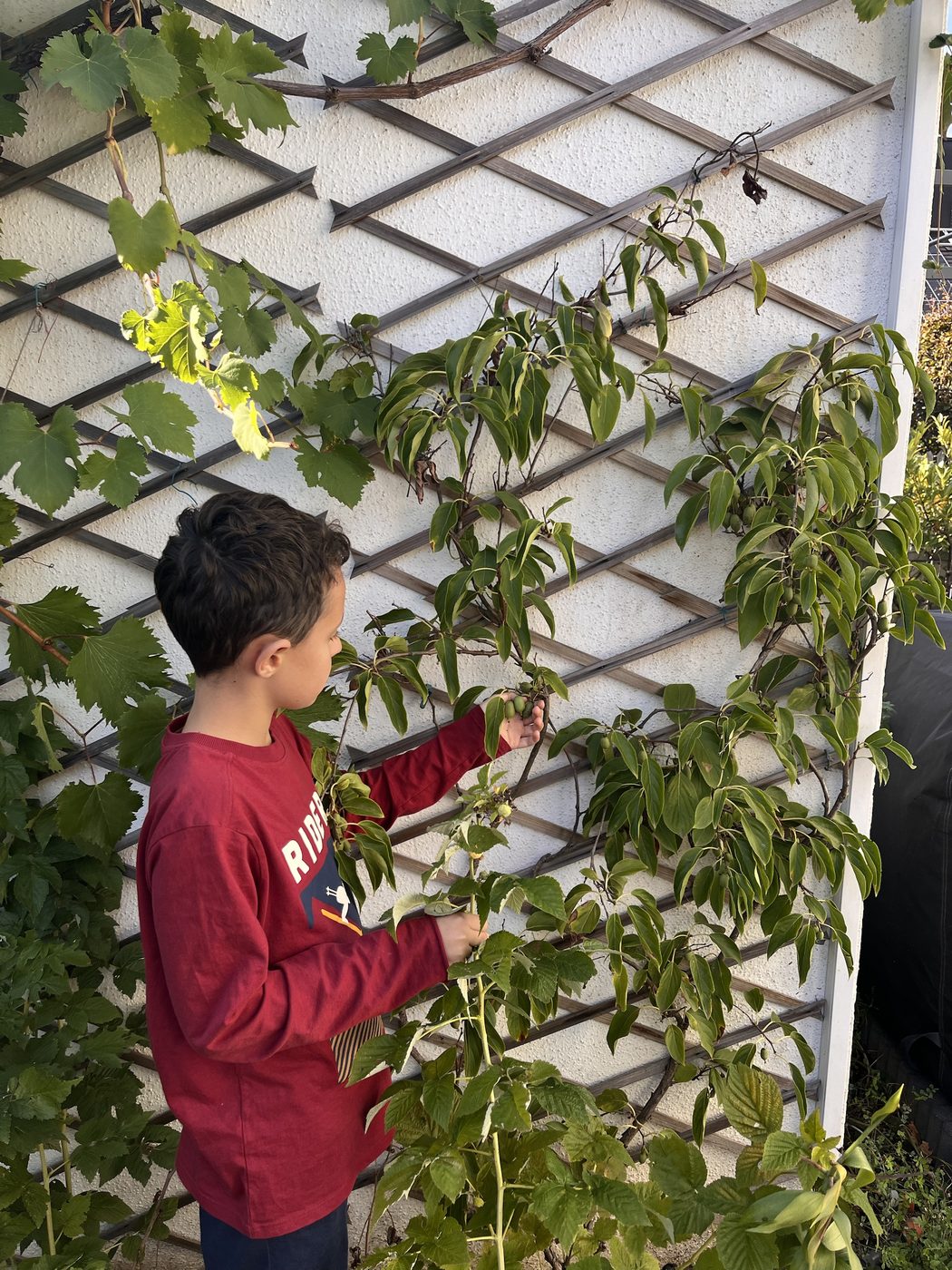
If this topic is close to your heart, I invite you to subscribe to the newsletter or follow the seasonal news and activities on my blog or on Instagram, and become part of the Urban Roots community.
1 · Why start with fruit trees & shrubs
Reasons to actually do this.
Healthier fruit that you can actually taste
Supermarket fruit is picked underripe to survive shipping, not to taste good, and vitamin C and antioxidants keep building right up until full ripeness. A currant bush or dwarf apple gives you fruit picked at the exact moment it's ripe: better flavour, and more of the nutrients it hadn't finished developing yet.
Pays you back for years
Unlike vegetables, replanted yearly, a fruit tree or berry bush keeps producing for 15–25+ years from one planting.
Feeds more than yourself
Fruit blossoms are one of the best early-spring food sources for bees and pollinators; berry bushes shelter birds and insects.
Low maintenance once established
A well-chosen tree or shrub largely takes care of itself after the first year or two, a yearly prune is often all it needs and for some trees nothing at all is needed.
2 · Common misconceptions
What holds people back, and why it shouldn't.
Fruit growing has a reputation as a different, more technical category of gardening than vegetables, something closer to a serious hobby demanding years of pruning knowledge and constant spraying. Here's why that reputation doesn't hold up.
“Fruit trees need more care than my ornamental plants.”
Actually the opposite. Once established, a dwarf apple or currant bush needs far less regular attention than most ornamental shrubs, no constant clipping, no deadheading, no seasonal replanting.
“Pruning is a skill I'll ruin the tree trying to learn.”
For beginner-friendly varieties, pruning is closer to light tidying than surgery, one shaping cut a year for dwarf/columnar trees. Currants and gooseberries need even less.
“Pests will destroy my harvest unless I spray constantly.”
Not with the low-effort, sustainable options available: a pheromone trap lures moths before they breed, and a cardboard trunk band catches crawling larvae, no spraying, no expertise required.
Most people who keep a beginner-friendly tree or bush never lose one to pests, and pruning shears come out for maybe twenty minutes a year, per plant. An orchard's worth of daily maintenance was never an accurate picture of what this actually takes.
3 · Getting started basics
What actually matters.
You don't need an orchard, you need the right size of tree
Nurseries graft the fruiting variety onto a rootstock that controls the tree's eventual size, the key to small-space growing:
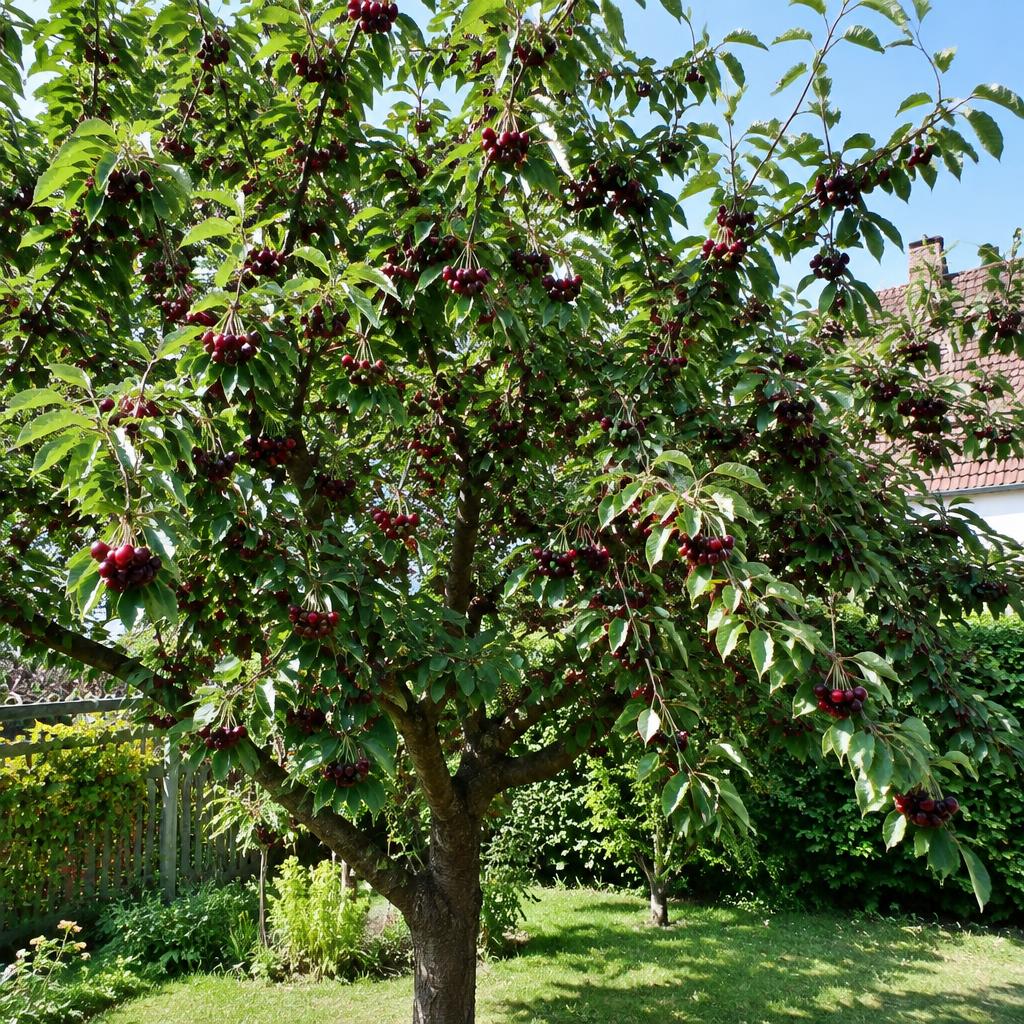
Full-size ("standard") trees
6–10+ m tall on vigorous rootstock. Impressive, but not realistic for most urban gardens, shown here for comparison. Fruit this high up is also hard to net, so birds often get to most of the harvest before you do.
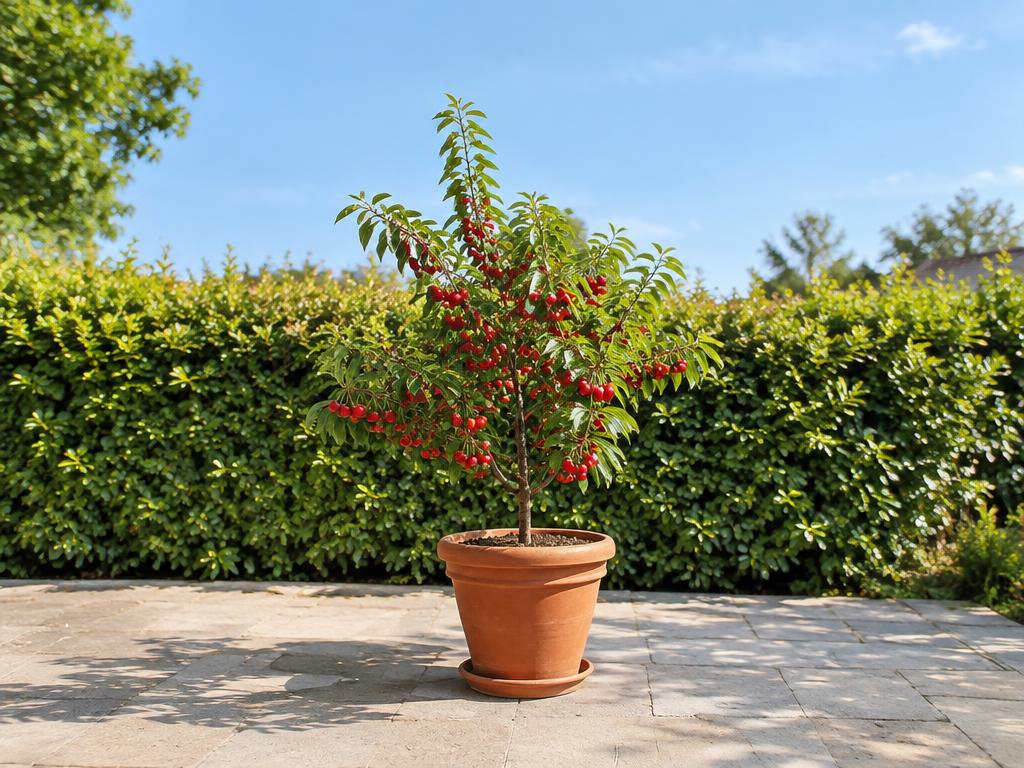
Dwarf trees
On a dwarfing rootstock (codes like M9/M27 for apples, Quince C for pears), reach 1.5–3 m with a normal branching shape, and are picked from the ground. Ideal for small gardens.
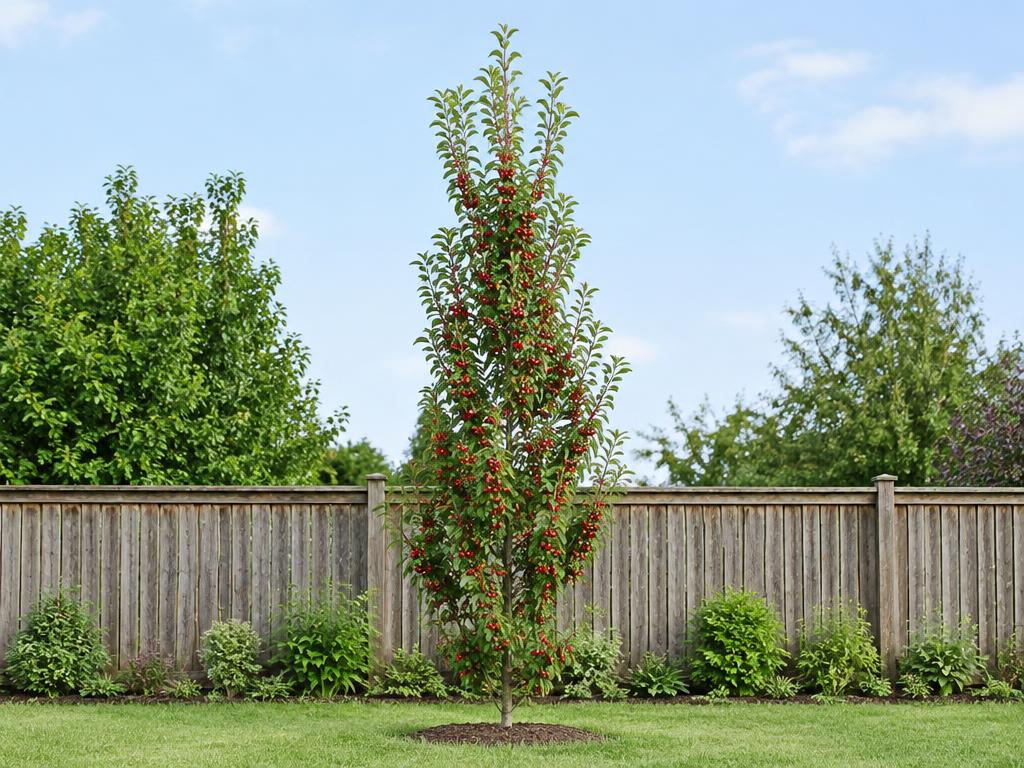
Columnar ("Säulenobst") trees
Grow as a single narrow stem under ~2 m wide, with almost no side branches, bred for tight spaces, and happy in a large pot.
Space and sun
Fruit trees and shrubs need at least 6 hours of direct sun a day to fruit well (a bit less is fine for currants and gooseberries). Most beginner-friendly options need only 1–3 m² of ground space, or a single large pot.
Soil basics
Most fruit trees and shrubs are unfussy as long as the soil drains well. Exceptions: blueberries need distinctly sour, acidic soil to be able to take the nutrients, and most German garden soil is too mild (gardeners call this ‘alkaline’) for them to thrive in it. That’s why most beginners just grow blueberries in a pot of special acid-loving potting soil instead of fighting their garden’s natural soil. Raspberries and most other berries are fine in ordinary improved garden soil.
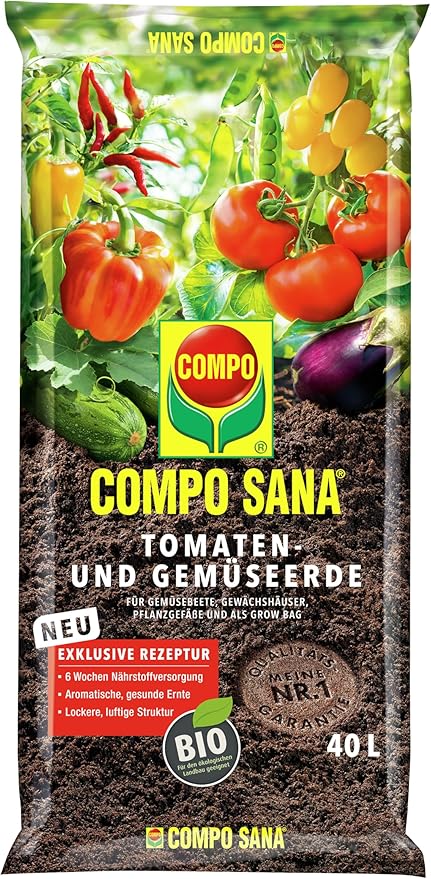
Tree & shrub potting soil (Pflanzerde/Kübelpflanzenerde)
A compost-based potting soil is right for trees, shrubs, and berry bushes in containers, full-size apple, columnar pear, currants, gooseberries, kiwiberries. Add a drainage layer (gravel or expanded clay) at the bottom of the pot.
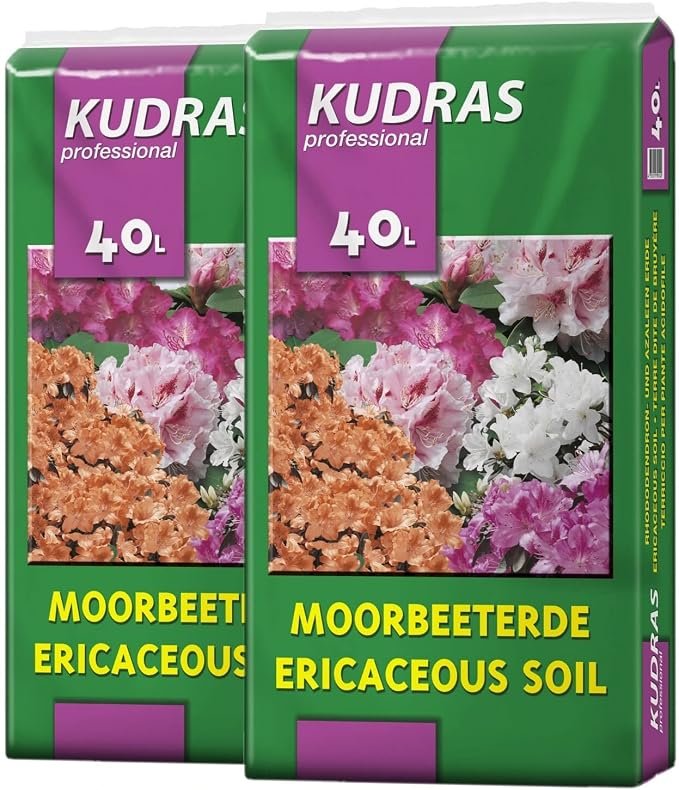
Ericaceous soil (Moorbeeterde/Rhododendronerde)
A special sour, acid-loving potting soil made for blueberries, without it, they struggle to take up nutrients from Germany's typically neutral-to-alkaline garden soil and the leaves turn yellow.
Container growing
Almost everything on the starter list does well in containers of 30–60 litres, dwarf/columnar trees, currants, gooseberries, blueberries, kiwiberries. Container plants need more frequent watering; an automated drip irrigation system on a timer is a good investment if you travel often.
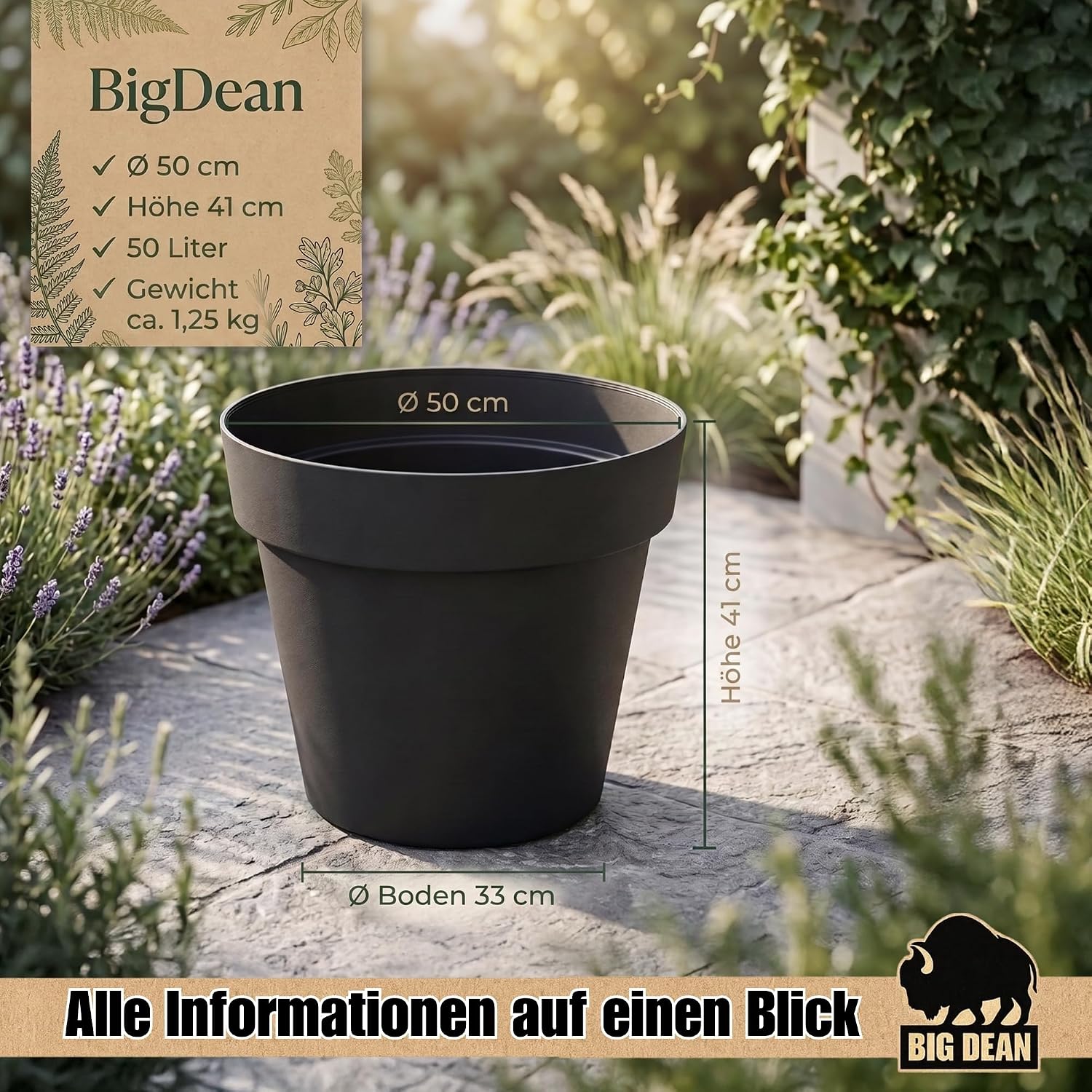
Large planter (~50 L)
Big enough for dwarf and columnar trees, currants, gooseberries, blueberries, and kiwiberries. This 3-pack has a built-in water reservoir base, for outdoor use, drill drainage holes at the 4 marked points so roots don't sit in standing water, and add a layer of gravel or expanded clay at the bottom.
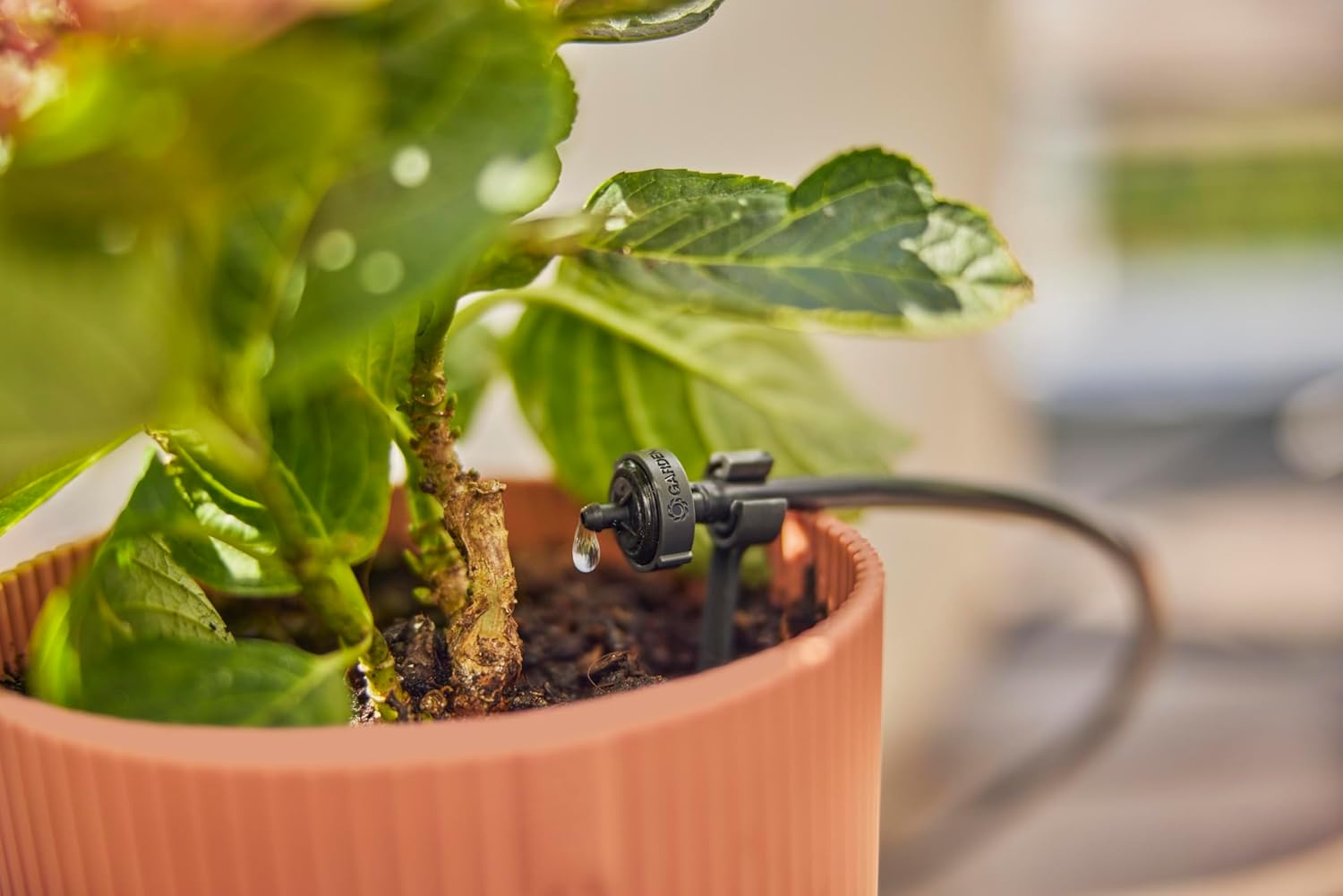
Drip irrigation (Tropfbewässerung)
Thin tubes deliver water slowly right at the base of each tree or bush, especially useful for potted trees and shrubs, which dry out faster than ones in the ground. Keeps foliage dry too, cutting fungal disease.
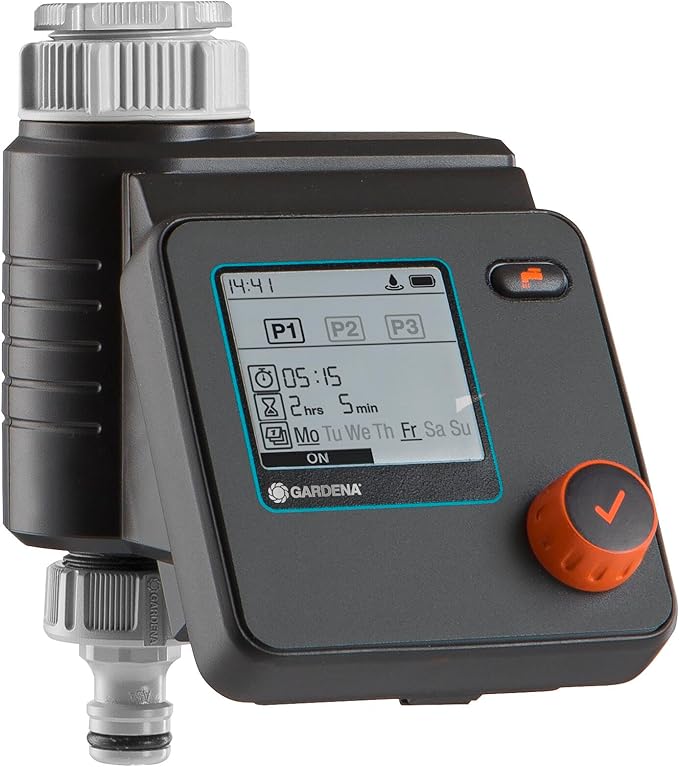
Irrigation timer (Bewässerungscomputer)
The automation piece, mounts on the outdoor tap and switches the drip lines on and off on a schedule. Some models add a rain delay or a soil-moisture sensor.
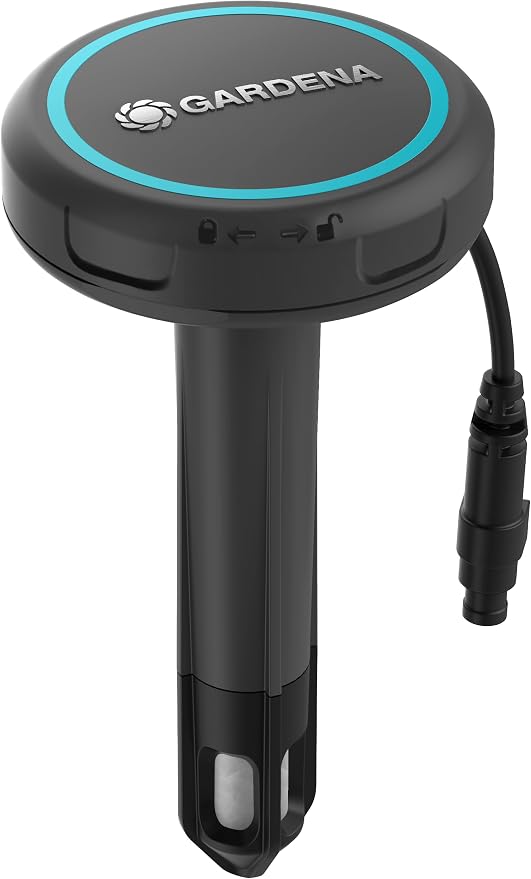
Irrigation timer with soil moisture sensor (mit Bodenfeuchtesensor)
An add-on sensor that plugs into a compatible timer and skips a scheduled watering when the soil is already moist enough. Useful for containers, which can swing from moist to dry unpredictably depending on the weather.
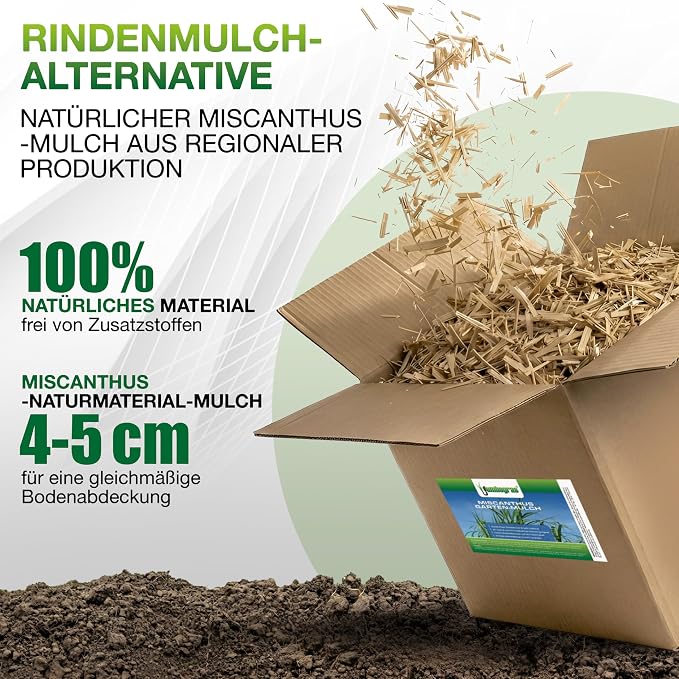
Mulch
A layer of straw, grass clippings, or compost around the base helps retain moisture and suppresses weeds, for blueberries, use pine needles or sawdust instead, which also help keep the soil acidic. Skip bark mulch right at the trunk base: it can shelter voles and ties up nitrogen at the wrong time of year for trees.
Growing in the ground
Full-size trees, and anything you don't want to keep repotting, do best planted straight into the ground. Roots establish more freely and reach moisture and nutrients on their own, so watering needs drop off sharply once a tree is settled in, usually after the first year or two.
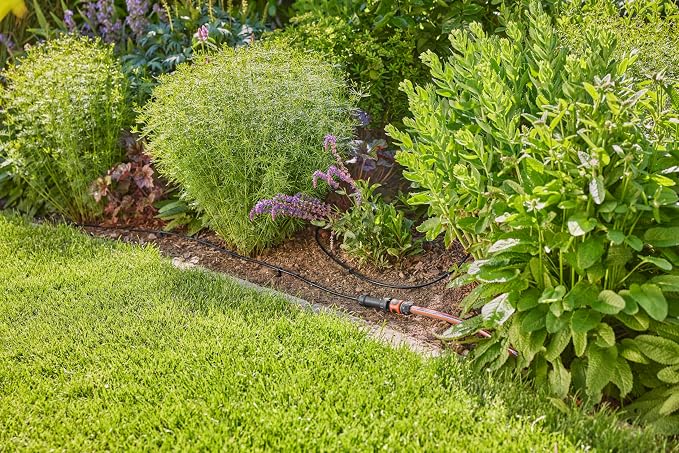
Drip irrigation (Tropfbewässerung)
Thin tubes deliver water slowly right at the base of each tree or bush, even once it's established, efficient for trees spread over a wide area. Keeps foliage dry too, cutting fungal disease.
Irrigation timer
The automation piece, mounts on the outdoor tap and switches the drip lines on and off on a schedule. Some models add a rain delay or a soil-moisture sensor.
Irrigation timer with soil moisture sensor
An add-on sensor that plugs into a compatible timer and skips a scheduled watering when the soil is already moist enough. Worth it in the ground, where rainfall does more of the work and a fixed schedule can easily overwater.
Mulch
A layer of straw, grass clippings, or compost around the base helps retain moisture and suppresses weeds, for blueberries, use pine needles or sawdust instead, which also help keep the soil acidic. Skip bark mulch right at the trunk base: it can shelter voles and ties up nitrogen at the wrong time of year for trees.
How long until you actually get fruit?
Berry bushes, often a small harvest year one, full harvest by year 2–3. Dwarf/columnar trees, typically 2–4 years. Full-size trees can take 5–8 years, one more reason dwarf forms suit beginners.
Organic fertilizer
Compost each spring is the default for a normal, healthy tree. The others below are for specific situations: horn shavings/meal for a heavy feeder or poor soil that needs a stronger slow-release nitrogen boost, and nettle liquid feed for a faster-acting top-up mid-season.
It's recommended to add a light dusting of wood ash occasionally, for a potassium boost around flowering/fruiting time. It's normally a free byproduct, ash from your own fireplace or wood stove, sifted to remove any unburned chunks, from clean untreated wood only (no painted or treated wood, charcoal briquettes, or glossy paper), rather than something people buy. Keep it away from blueberries, it makes soil less acidic, which is the opposite of what they need.
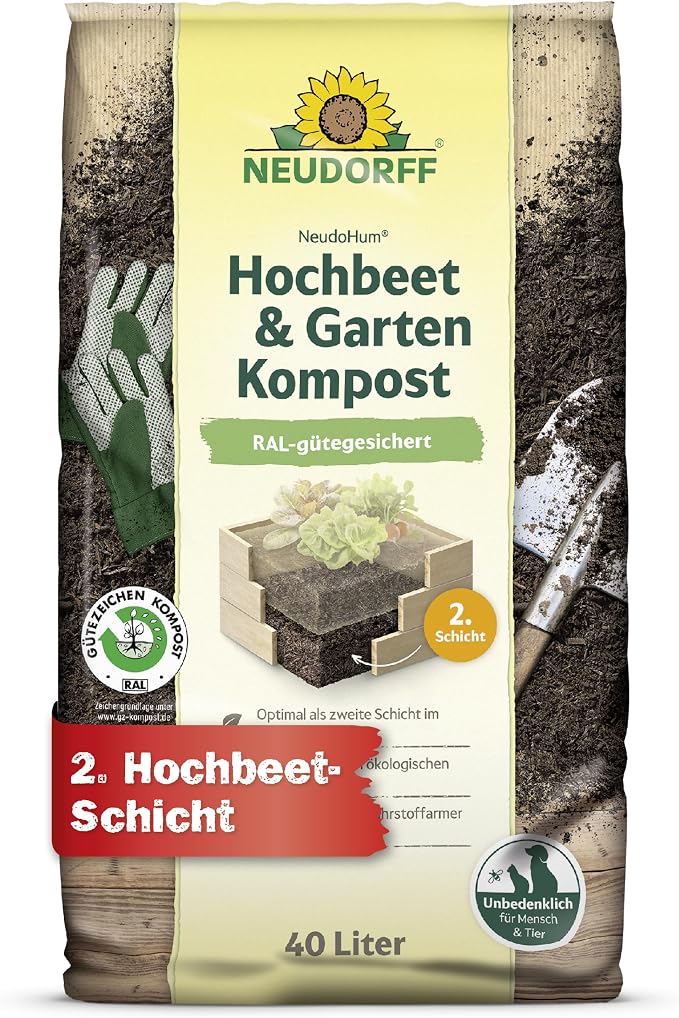
Compost
Use mature, fully-rotted compost, dark, crumbly, no recognizable scraps. Spread it in a ring around the drip line each spring, not piled against the trunk, a couple of handfuls for a young tree, more for an established one, exact amounts matter less than with a concentrated fertilizer. Top with a layer of mulch afterwards to help it hold moisture. The single best all-purpose feed for a fruit tree or bush.
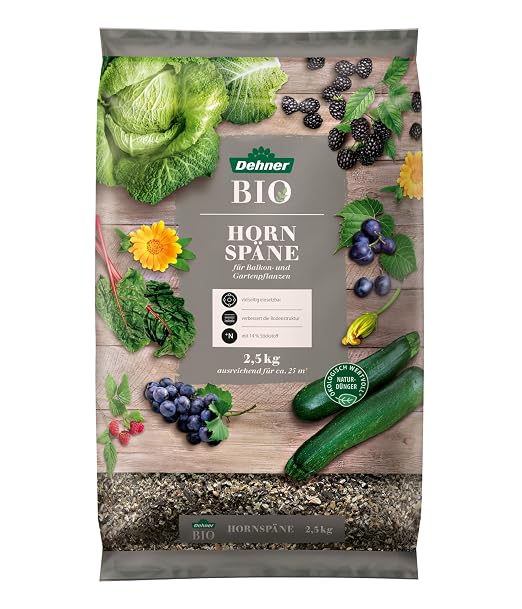
Horn shavings (Hornspäne)
A slow-release, nitrogen-rich fertilizer; scratch into the soil around the drip line. Coarser and slower-acting than horn meal.
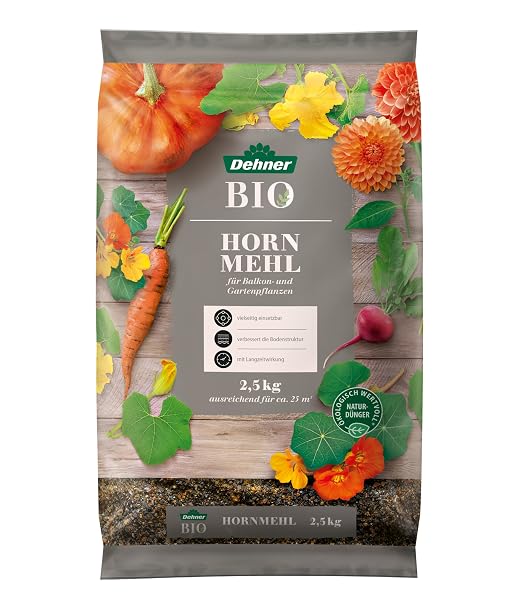
Horn meal (Hornmehl)
The finer, faster-acting version of horn shavings, same nitrogen-rich, slow-release principle.
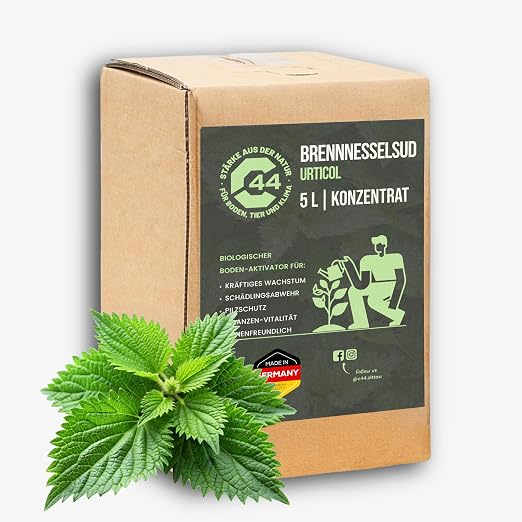
Nettle liquid feed (Brennnesseljauche)
Free and homemade: steep nettles in water for about two weeks, then dilute before use. Works for trees and shrubs as well as vegetables, nitrogen-rich rather than potassium-rich, so it's better for general spring growth than for boosting fruiting specifically. A ready-made concentrate is the shortcut if you'd rather skip the smell and the wait.
Organic pest & disease control
Organic controls like pheromone traps are genuinely practical, but they won't make every single fruit larvae-free. If you do not want to accept to share a small portion of the harvest with moths, you can use the biological control mentioned below.
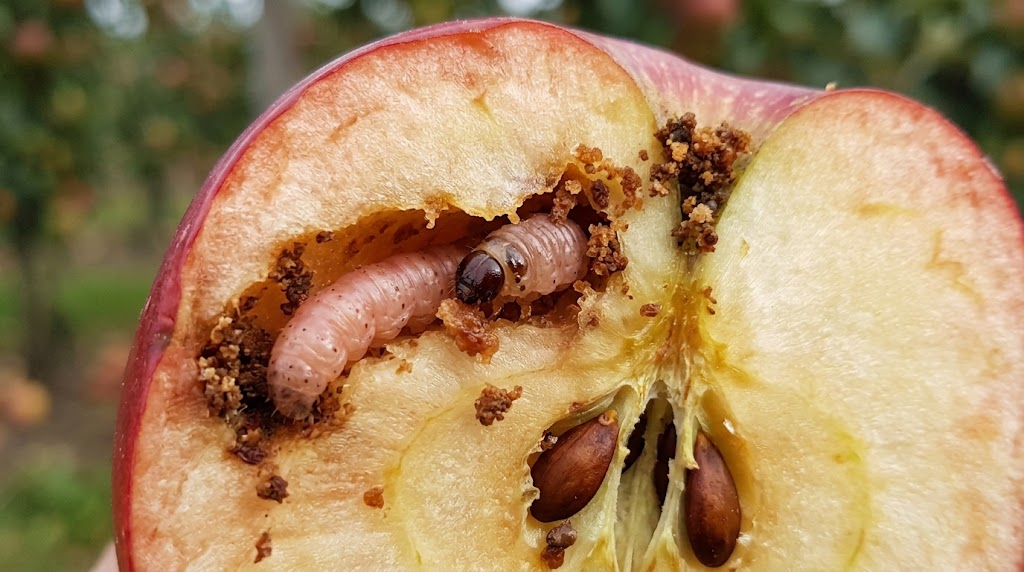
Codling moth (Apfelwickler)
Attacks apples and pears. Small entry holes in ripening fruit, with frass (chewed debris) around the hole; a maggot inside when the fruit is cut open.
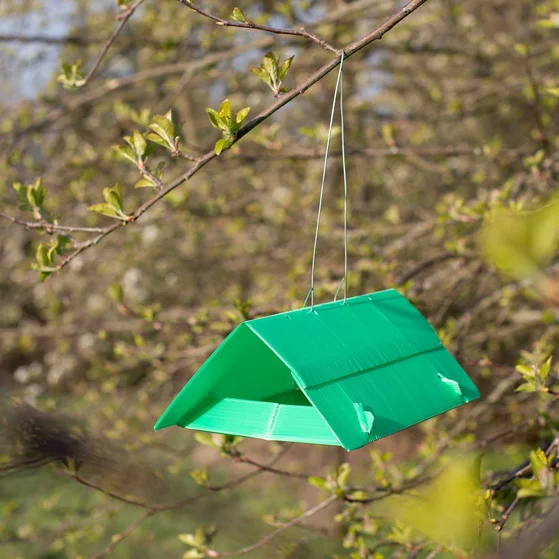
Pheromone trap
Specific to codling moth, monitors and helps reduce numbers over the season. Hang one every year regardless of whether you saw damage the year before, codling moth is present in almost every garden, so skipping a year lets numbers build back up unnoticed.
Bacillus thuringiensis spray
The same organic-approved biological control used against cabbage white caterpillars, a naturally occurring bacterium (XenTari) that's specific to caterpillar/larvae pests. Spray onto the tree once eggs have hatched, before larvae tunnel into the fruit, since it needs to be eaten to work.
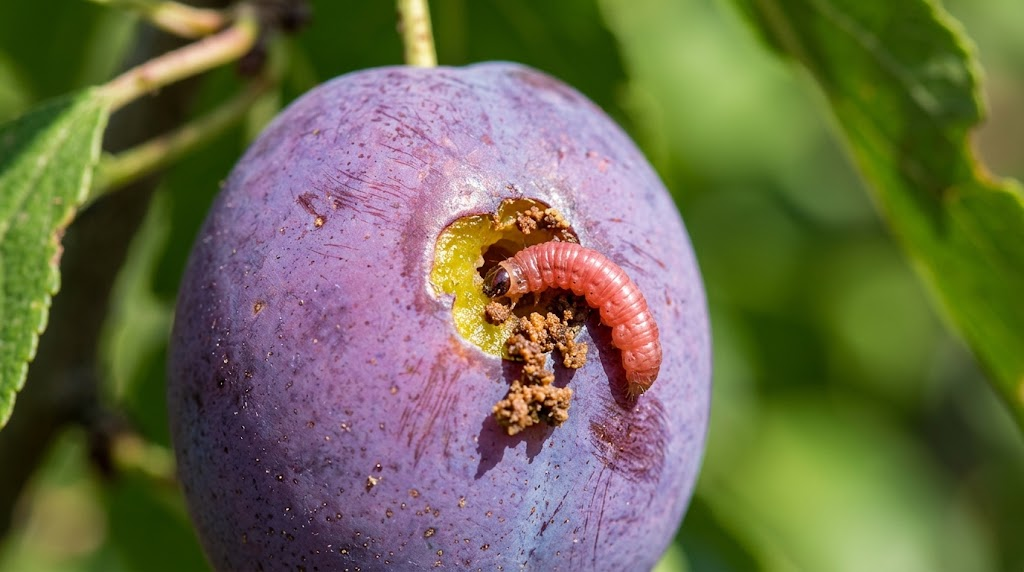
Plum moth (Pflaumenwickler)
A related but different species from codling moth, attacking plums specifically. Same kind of damage: small entry holes and a maggot inside the fruit.
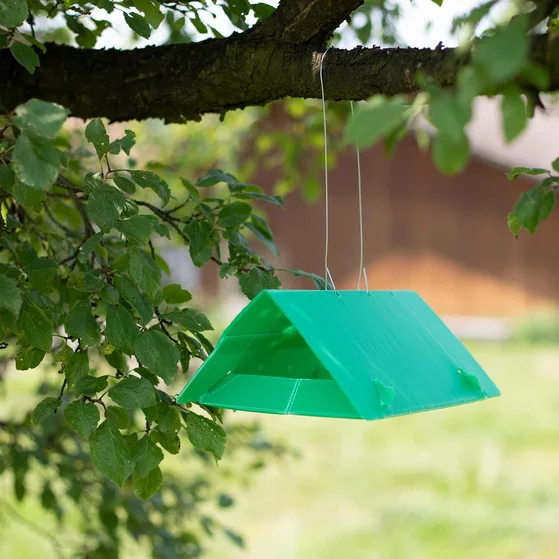
Pheromone trap
Specific to plum moth, monitors and helps reduce numbers over the season. Hang one every year regardless of whether you saw damage the year before, plum moth is present in almost every garden, so skipping a year lets numbers build back up unnoticed.
Bacillus thuringiensis spray
The same organic-approved biological control used against cabbage white caterpillars, a naturally occurring bacterium (XenTari) that's specific to caterpillar/larvae pests. Spray onto the tree once eggs have hatched, before larvae tunnel into the fruit, since it needs to be eaten to work.
Trunk bands and fallen fruit
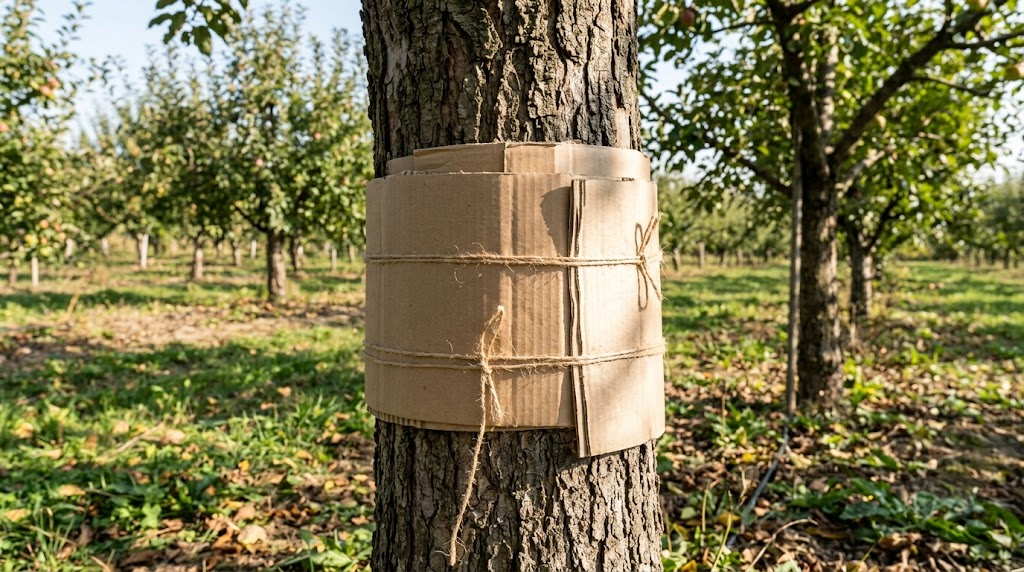
Another practical way to control the codling and plum moths is to wrap a cardboard around the trunk in summer and tie it in place. You can make it on your own with a strip of plain corrugated cardboard. The ridges give the larvae a false, cosy spot to crawl into and pupate instead of the bark or soil. Take the band off in autumn and burn or bin it, cardboard and all, before the moths inside can emerge the following spring.
Pick up fallen or infested fruit every few days and destroy them, never leave wormy fruit under the tree or in open compost.
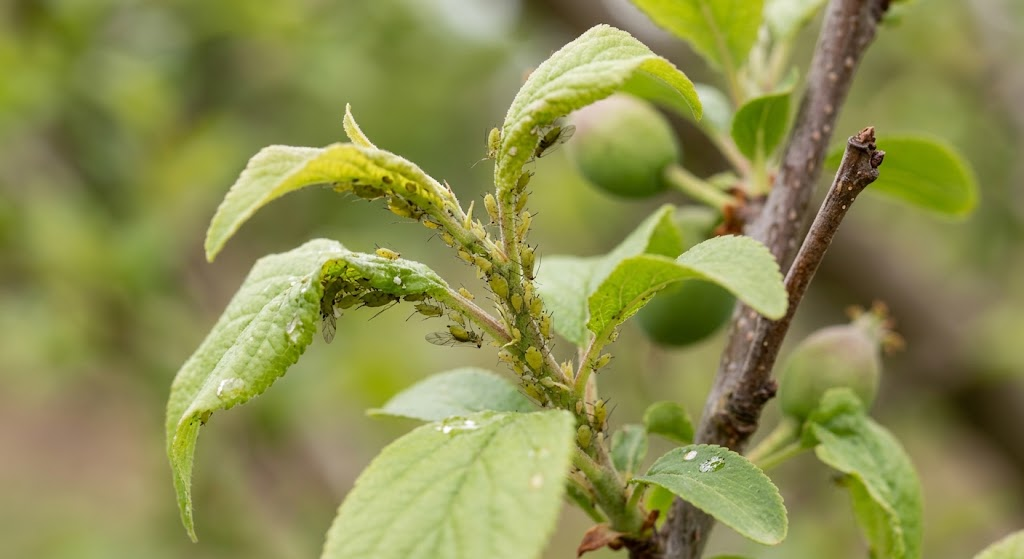
Aphids (Blattläuse)
Clusters of small insects on new shoots and leaf undersides, curling leaves, and a sticky residue.
Control
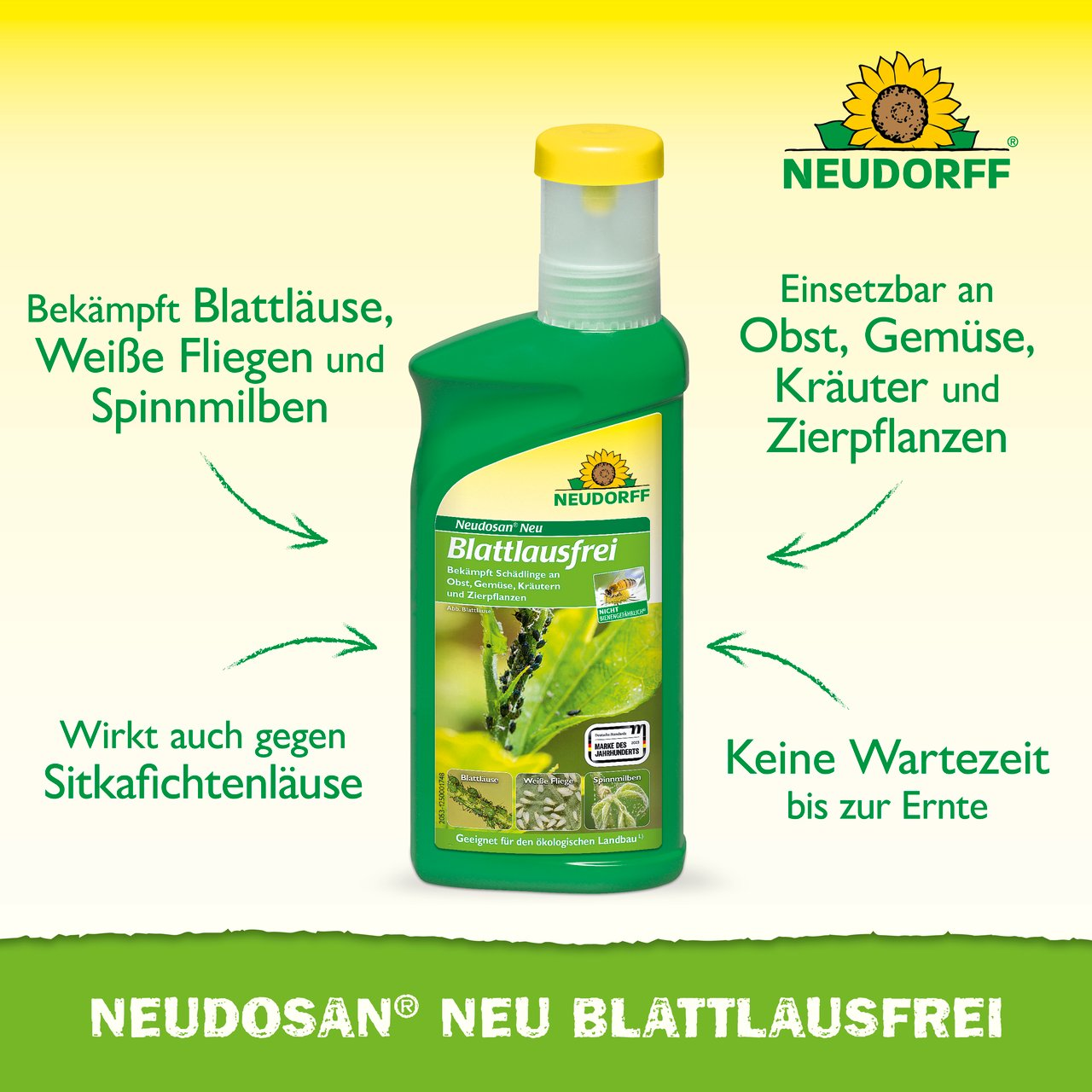
Spray off with a jet of water, or encourage ladybirds and other beneficial insects; an insecticidal soap spray (Neudosan) as a last resort for a bad infestation.
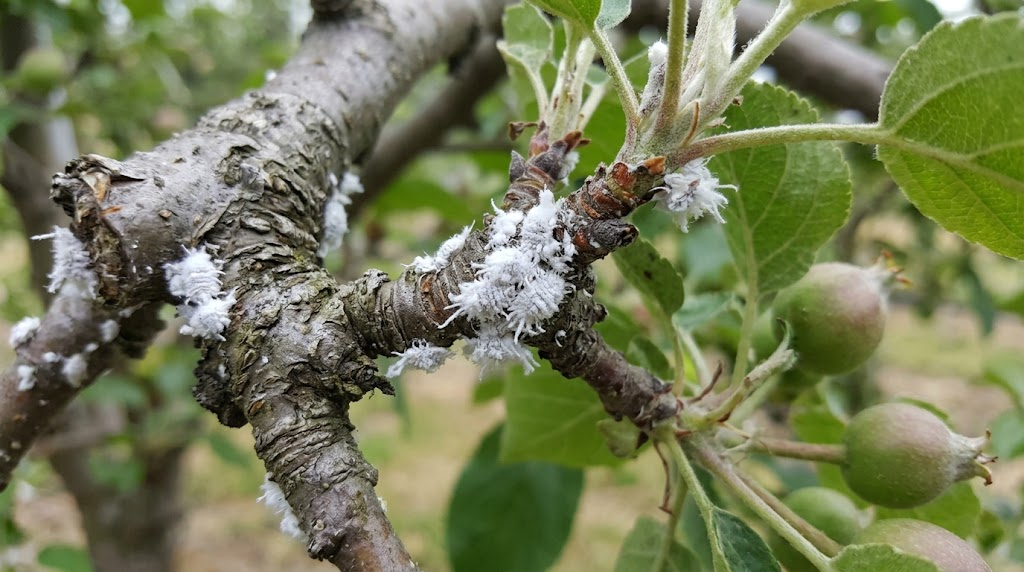
Woolly aphid (Blutlaus)
White, cottony wax clusters on branches and around pruning wounds, usually on apple trees.
Control
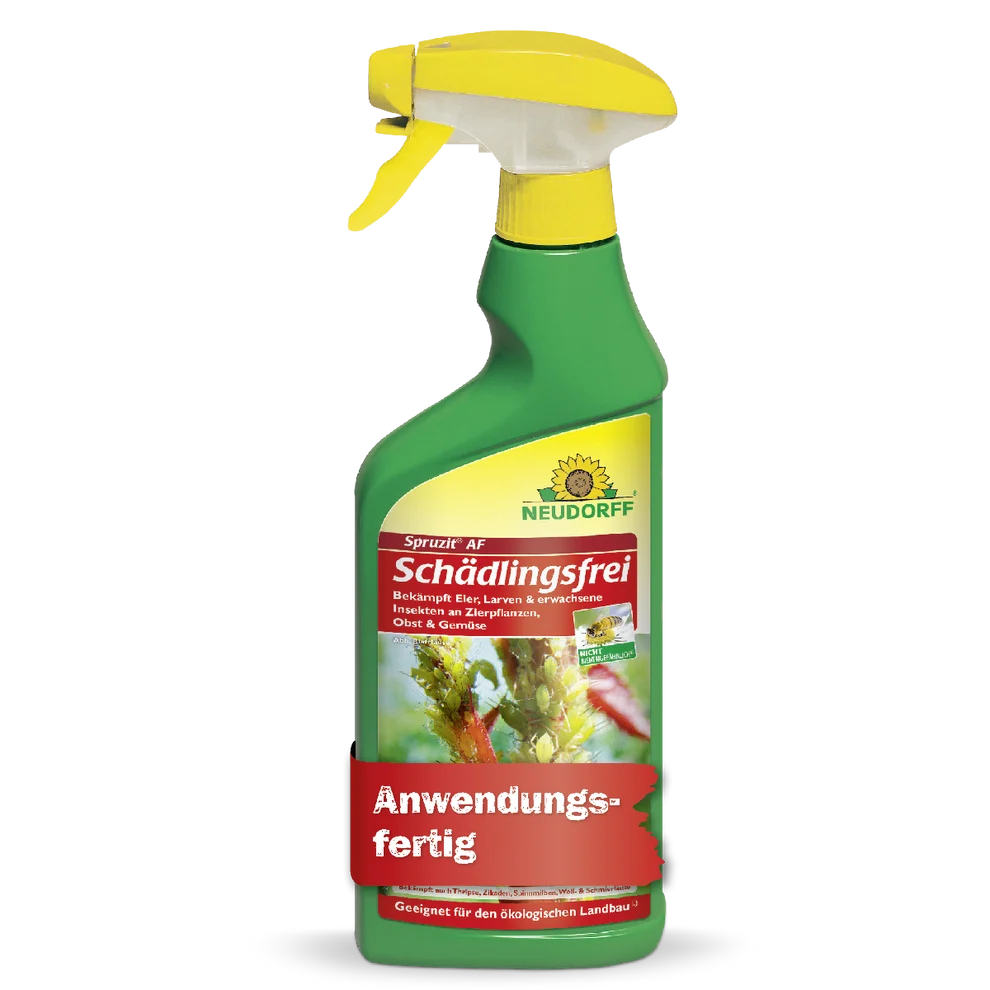
A natural parasitic wasp usually keeps it in check; scrub colonies off by hand for light infestations, or use a pyrethrin-based spray (Spruzit AF) once colonies get out of hand.
Currant/gooseberry sawfly (Stachelbeer-/Johannisbeerblattwespe)
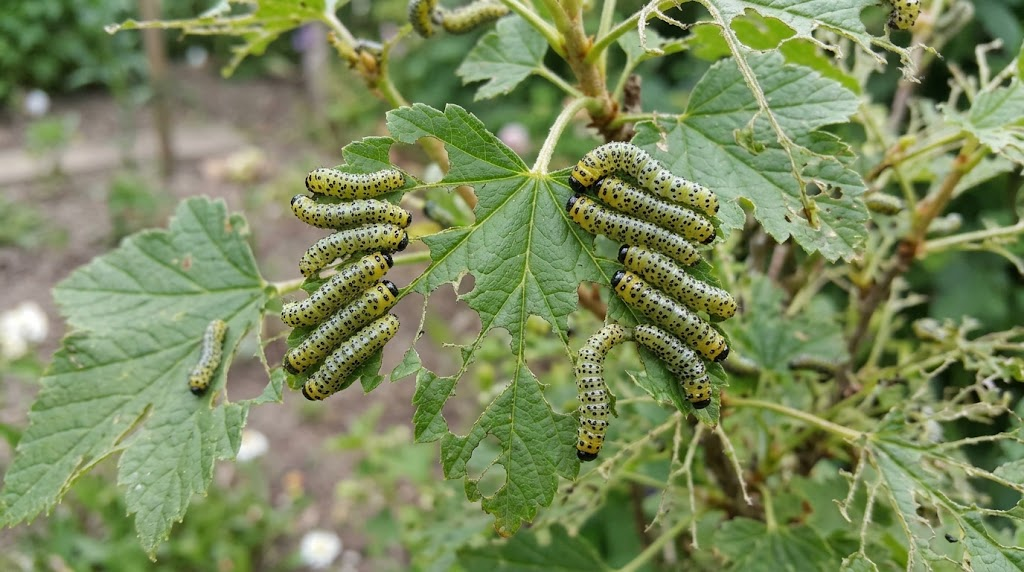
Bushes stripped bare of leaves within days; pale green, caterpillar-like larvae visible on the leaf undersides.
Control
Hand-pick the larvae off the undersides of leaves, cover bushes with a fine mesh net, or use a pyrethrin-based spray (Spruzit AF) as soon as larvae appear.
Apple scab (Apfelschorf)
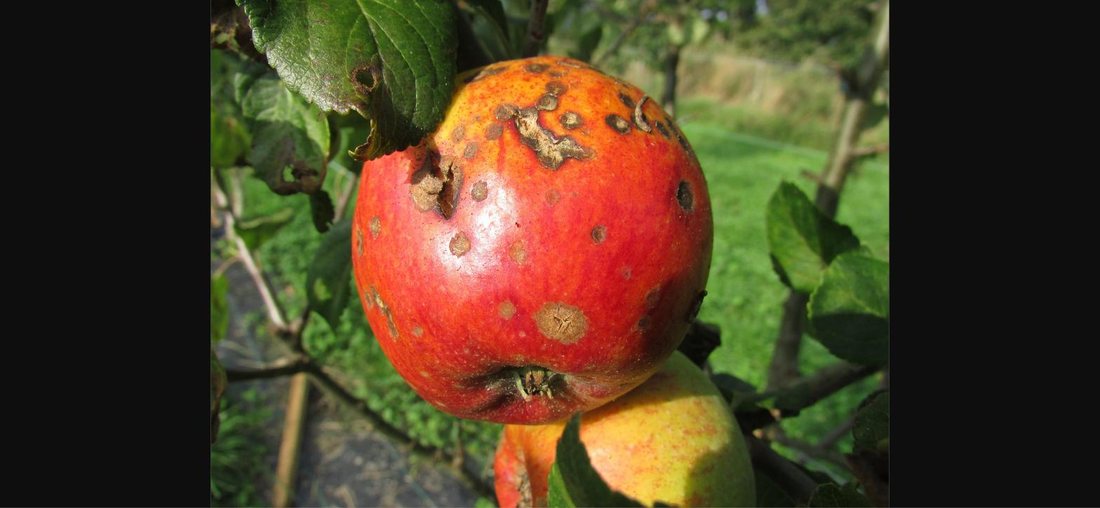
Olive-green to black scabby blotches on leaves and on the fruit skin.
Control
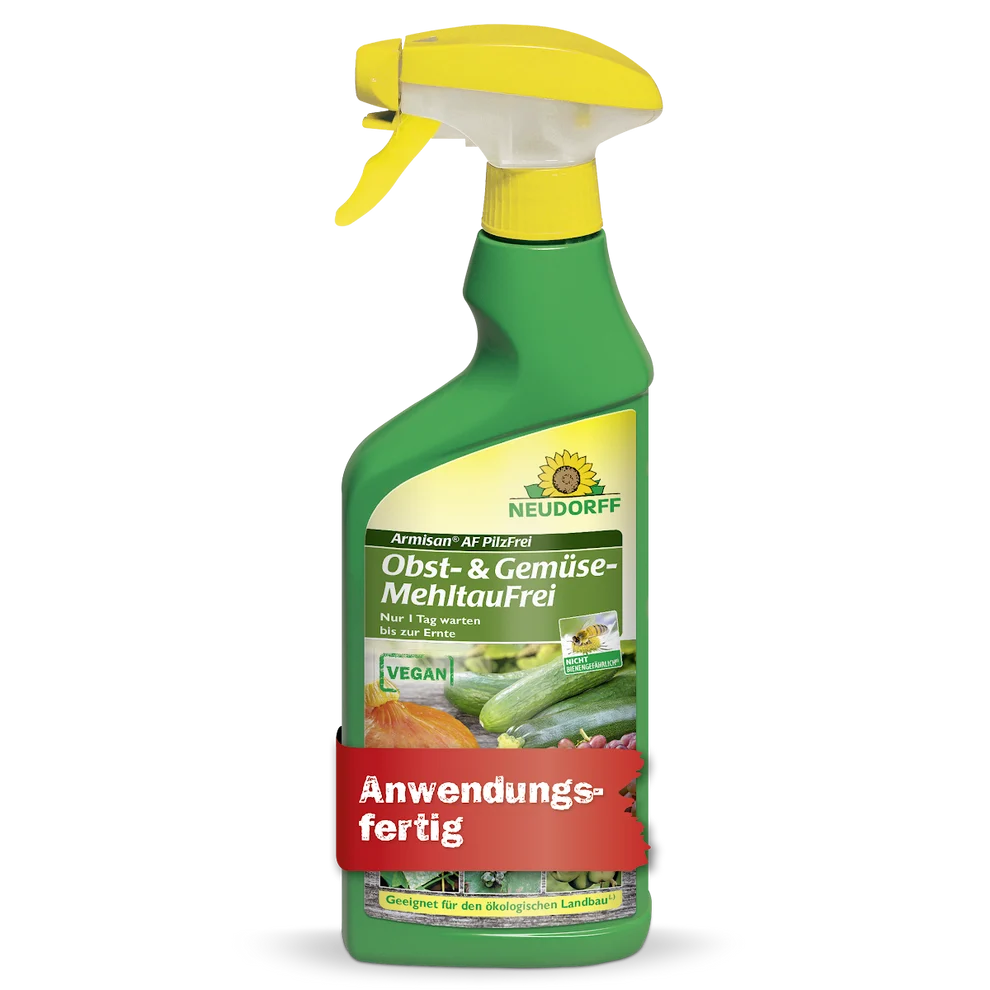
Choose scab-resistant varieties, and rake up and remove fallen leaves in autumn to reduce reinfection. A potassium-bicarbonate spray (Armisan AF) is the organic-approved option if scab keeps coming back.
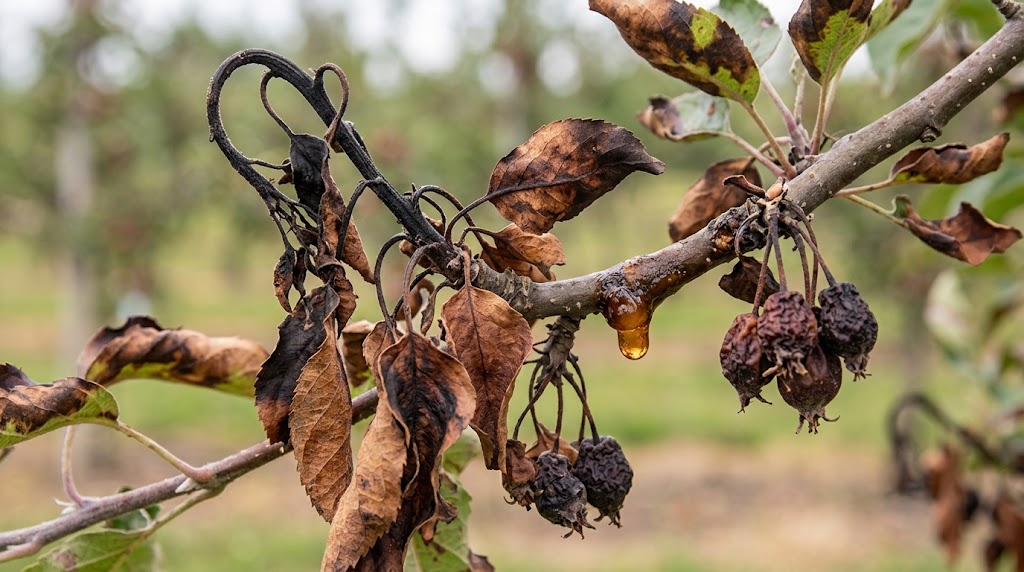
Fire blight (Feuerbrand)
Blossoms and young shoots blacken and wilt as if scorched by fire. Mainly a risk for apple, pear, and quince, cherry, peach, plum, and damson trees aren't susceptible to it at all.
Control
There's no practical organic spray for home gardens, the one organic-approved biological product only comes in commercial orchard-sized canisters. Cutting out infected wood is the real organic control: cut well below the visible damage in dry weather, disinfecting your tools between cuts, and destroy the prunings straight away.
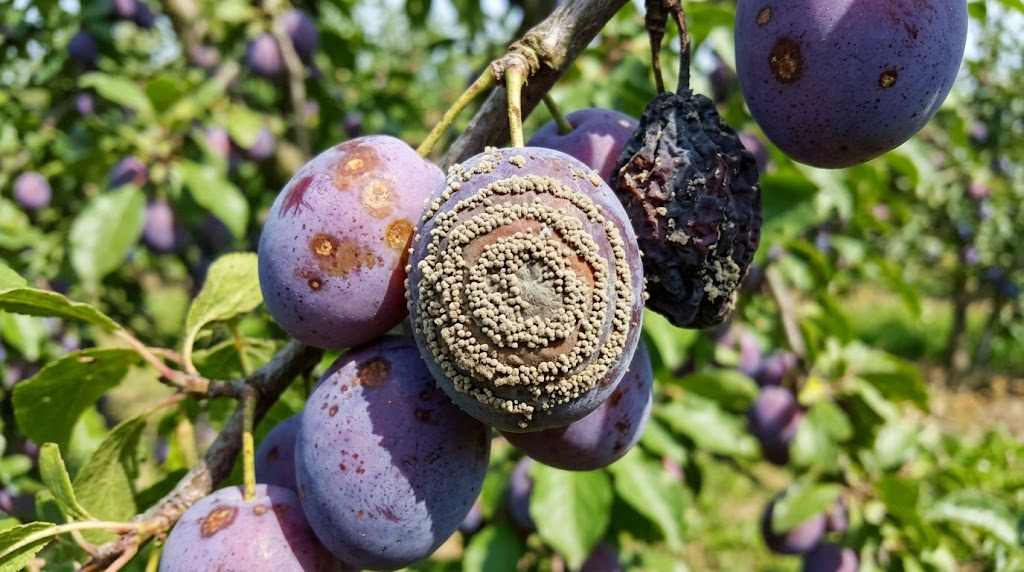
Brown rot (Monilia-Fruchtfäule)
Brown, soft rot spreading across the fruit, often with concentric rings of grey-white spores. Mainly a stone-fruit problem, plums, cherries, apricots, and peaches, but the same fungus also affects apples, pears, and quinces.
Control
There's no organic spray treatment for brown rot either, removing and destroying mummified, rotten fruit promptly, rather than leaving it on the tree or ground over winter, is the real organic control.
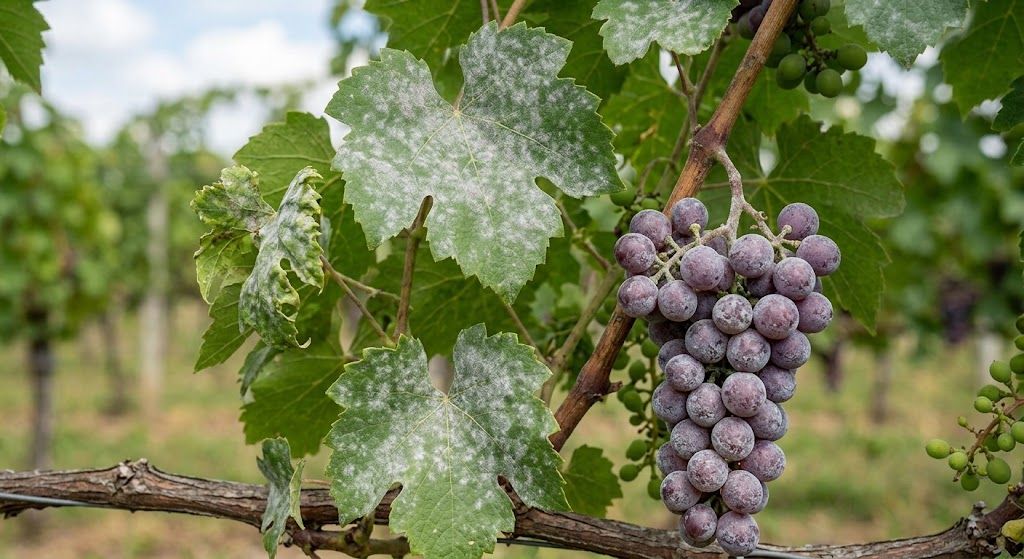
Powdery mildew (Echter Mehltau)
A white, powdery coating on leaves and shoot tips, common in dry, crowded conditions. Grapes are the most familiar host, but the same disease is also a frequent problem on apples and, increasingly, on gooseberries and currants.
Sulfur spray, for prevention
Good spacing and airflow between plants helps too. Sulfur (Netz-Schwefelit) works preventively, forming a protective film on the leaves, so it's the one to spray early or at the very first sign of mildew. It has a long wait before harvest though, up to 28 days on table grapes, so it needs to go on well ahead of picking time.
Potassium-bicarbonate spray, if it appears close to harvest
Works directly against an active infection rather than laying down a long-lasting barrier, and only needs a 1-day wait before harvest. That makes it the better choice if mildew shows up too close to picking time for sulfur's 28-day wait to be practical.
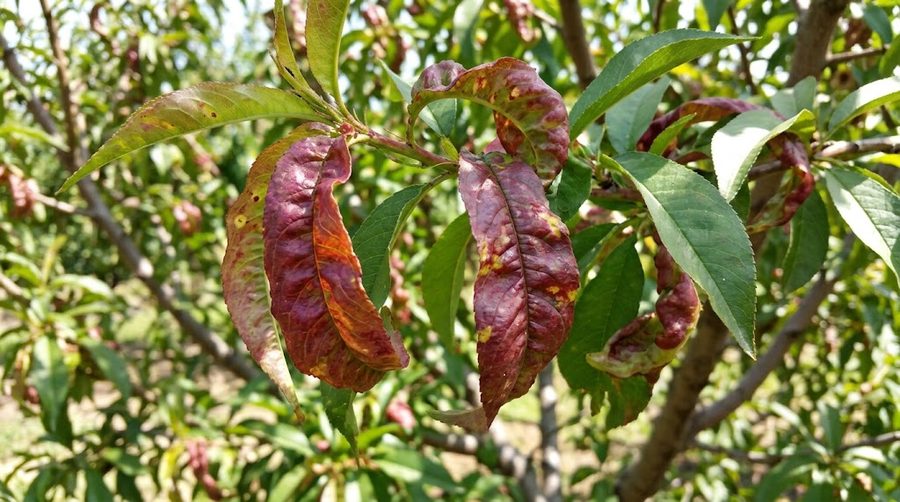
Peach leaf curl (Kräuselkrankheit)
Mainly attacks peaches and nectarines, apricots can occasionally pick up a milder form too. Young leaves emerge puckered, blistered, and reddish in spring, then wither and drop. This is the disease that makes peaches genuinely demanding, not just frost-sensitive, it comes back every year if untreated, and repeated infections weaken a tree badly enough to eventually kill it.
Control
There's no organic-approved spray for home gardens in Germany, the one product currently authorised here is a conventional fungicide, not organic. The real organic control is physical, and it has to happen every year: cover the tree with simple rain protection from bud swell in late winter through leaf-out, since the fungus needs wet leaves to infect, and remove and destroy any curled leaves as soon as they appear.
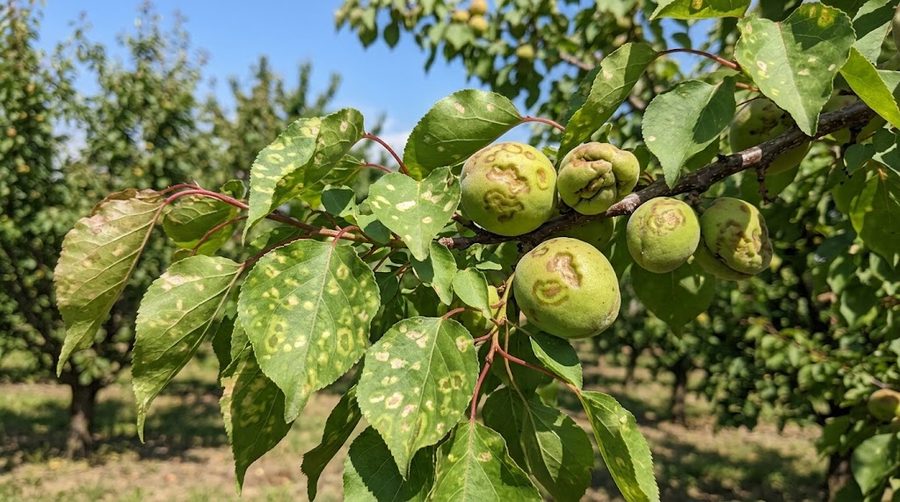
Scharka (Plum pox virus)
A serious risk for apricots, plums, and peaches alike, not just apricots, the disease actually takes its common name from plums, where it was first described, and it can cause total crop loss in susceptible plum varieties too. Light green to yellow rings or blotches on leaves, and pale ring-shaped or blotchy discoloration on the fruit skin, sometimes with sunken, gummy-textured patches in the flesh underneath. Spread by aphids, with no cure once a tree is infected, serious enough that Germany regulates it directly, and an infected tree normally has to be removed.
Control
There's no treatment, so prevention is everything: buy certified virus-tested (virusgetestet) trees from a reputable nursery, and ask specifically about disease-tolerant varieties, plum breeding has made real progress here, which is why plum stays on this site's starter list despite the virus. Apricot breeding hasn't caught up to the same degree: the most disease-tolerant apricot variety on the market is only comparatively more tolerant than others, not proven resistant the way the best plum varieties are, one reason this site doesn't recommend apricot as a beginner choice. Whatever you plant, if you ever see the symptoms above, contact your regional plant health office (Pflanzenschutzdienst) rather than waiting to see if it clears up.
For most beginner plantings, prevention, resistant varieties, good spacing and airflow, autumn clean-up, does the vast majority of the work; sprays of any kind, even organic ones, are rarely needed.
A note on "organic": some organic-approved actives (azadirachtin- and pyrethrin-based sprays, for example) are still toxic to bees and other pollinators. If you ever do need to spray, do it in the evening once bees have stopped foraging, and treat it as a last resort rather than routine.
4 · Beginner-friendly starter list
Eleven reliable trees, vines, and bushes.
Shop links go to Baumschule Horstmann — our nursery partner candidate.
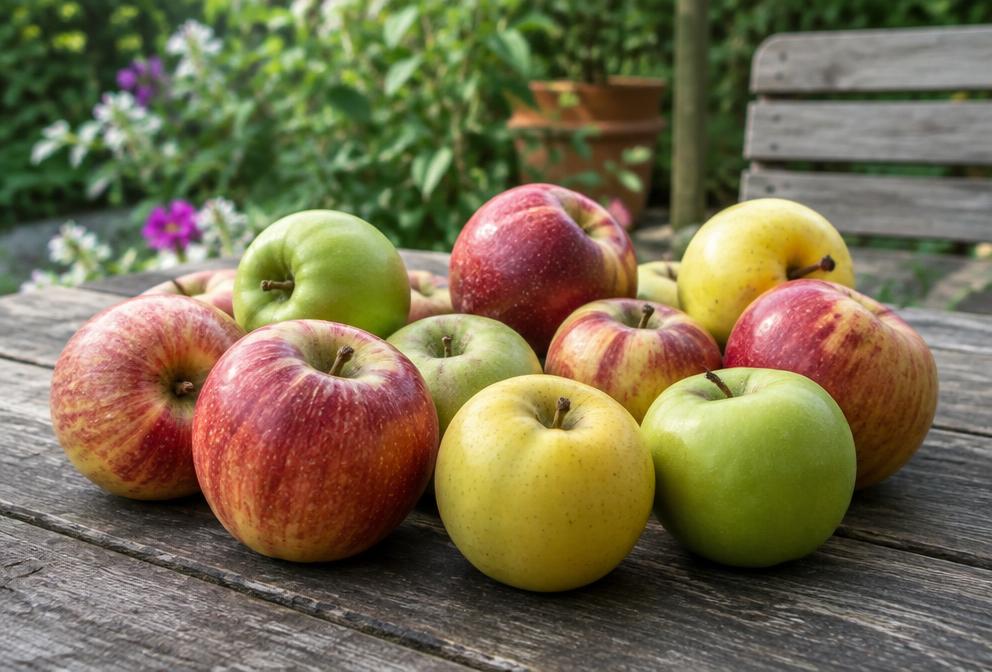
Apples
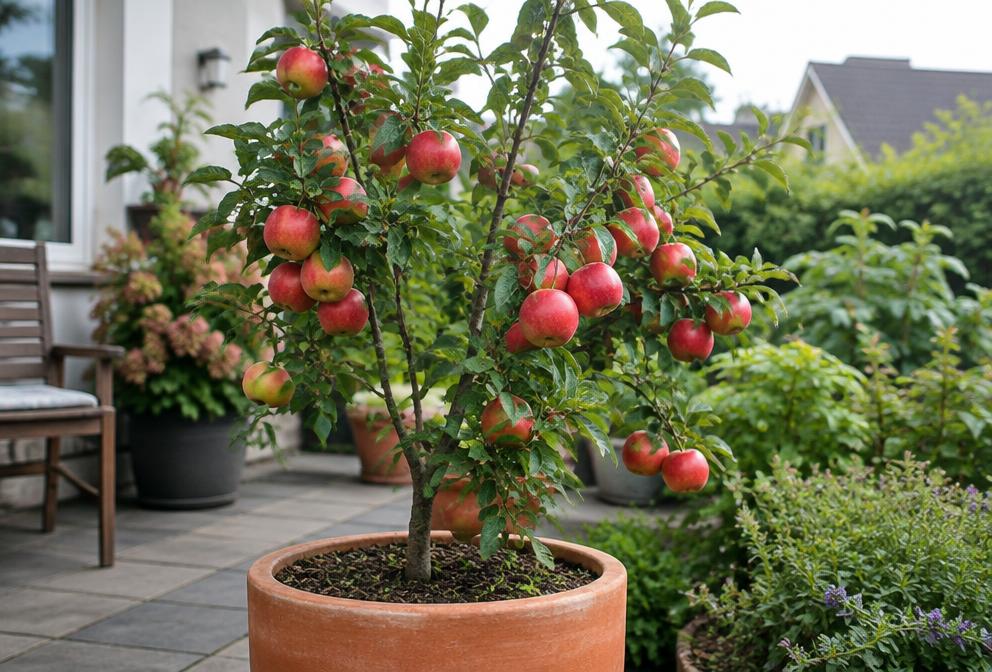
Dwarf apple tree
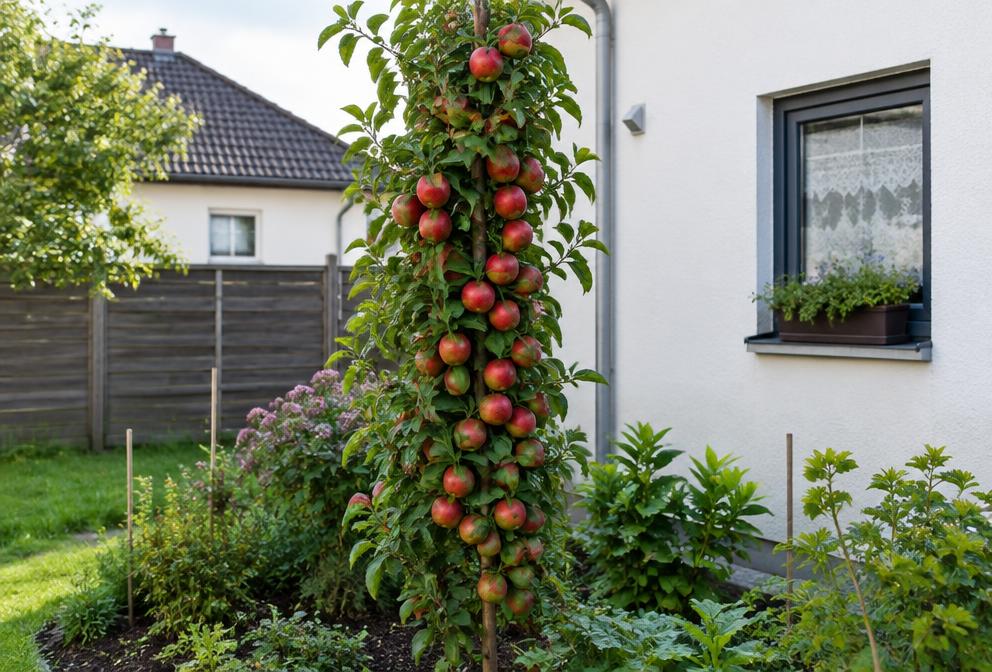
Columnar ("Säulenobst") apple
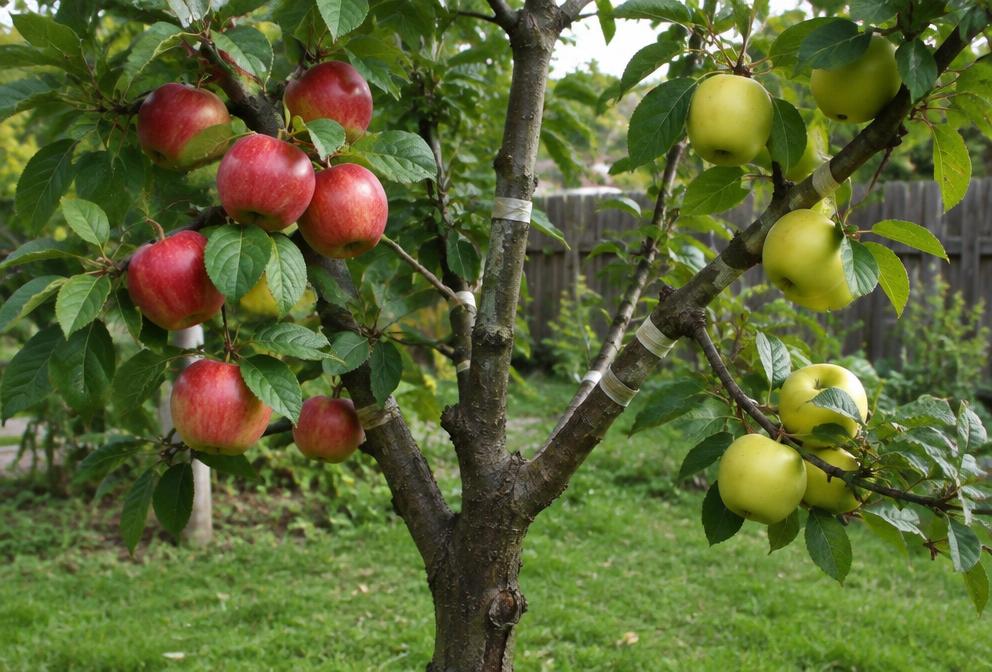
Normal size multivariety apple tree
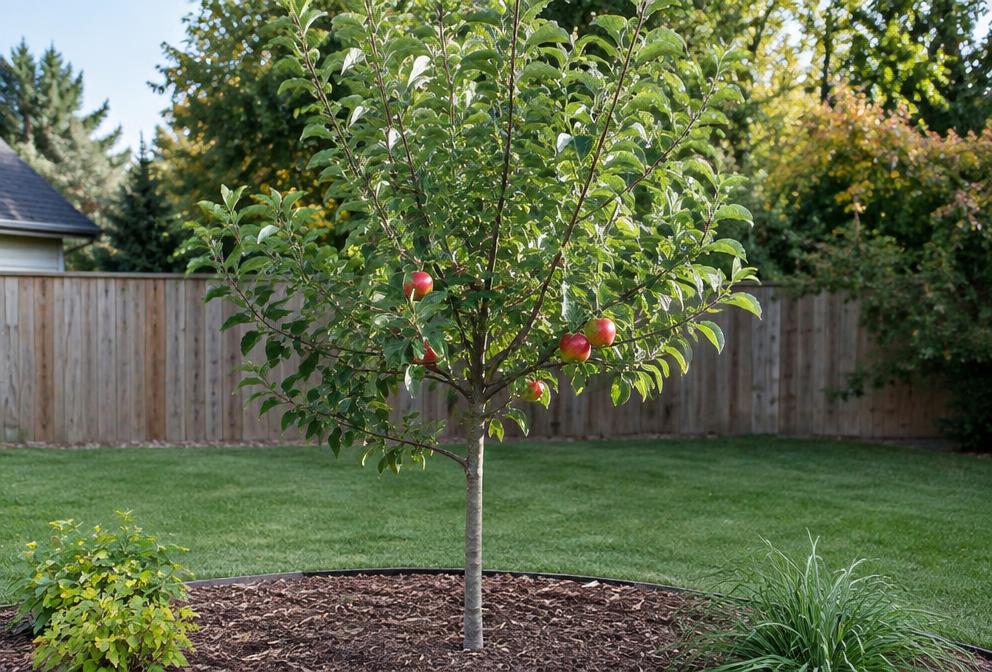
Normal size one variety apple tree
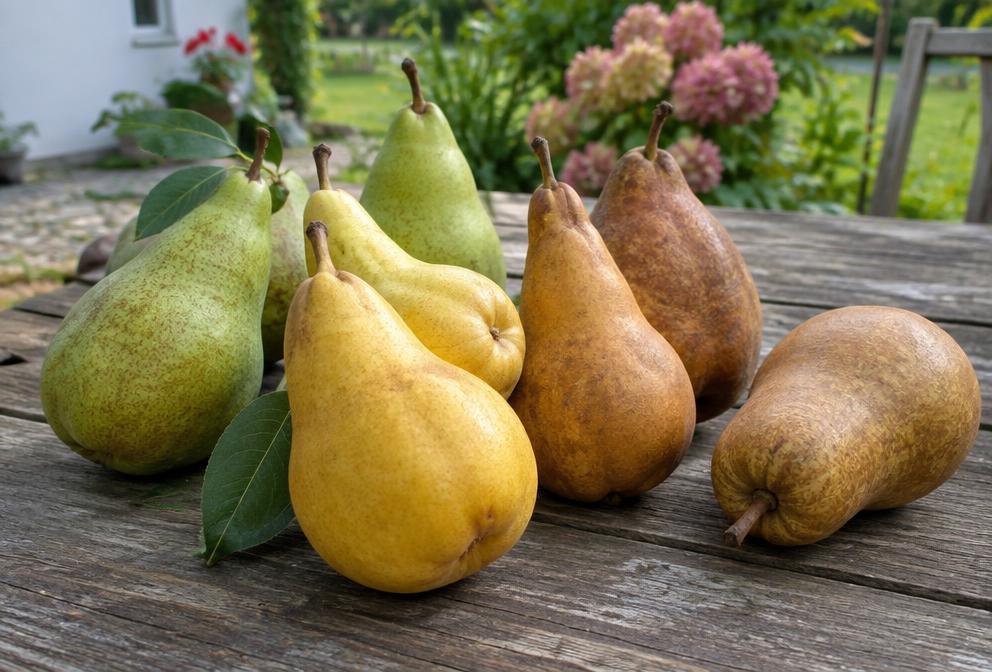
Pears
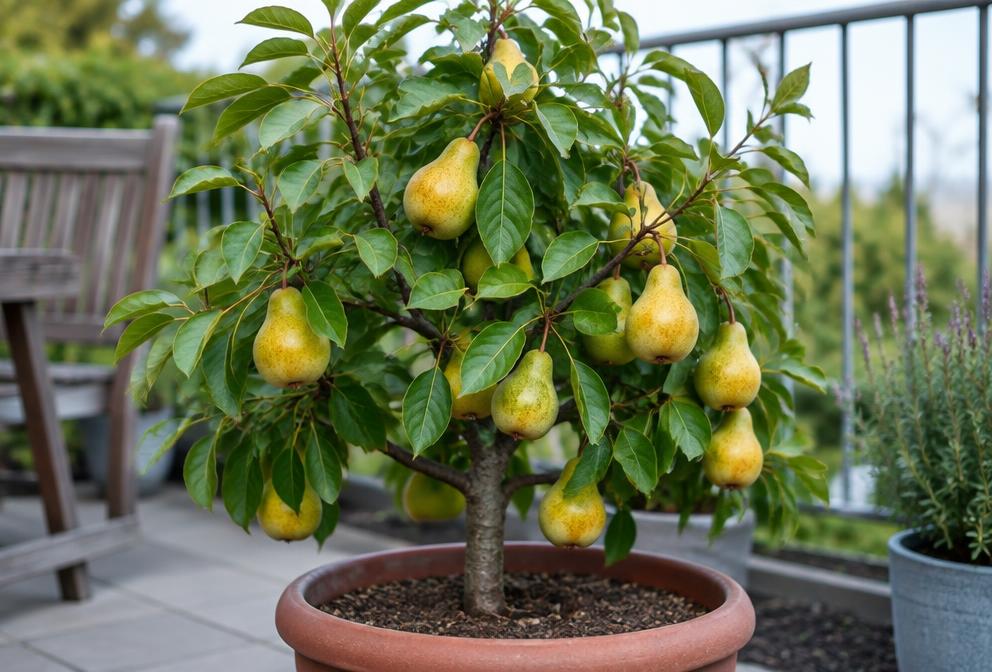
Dwarf pear tree
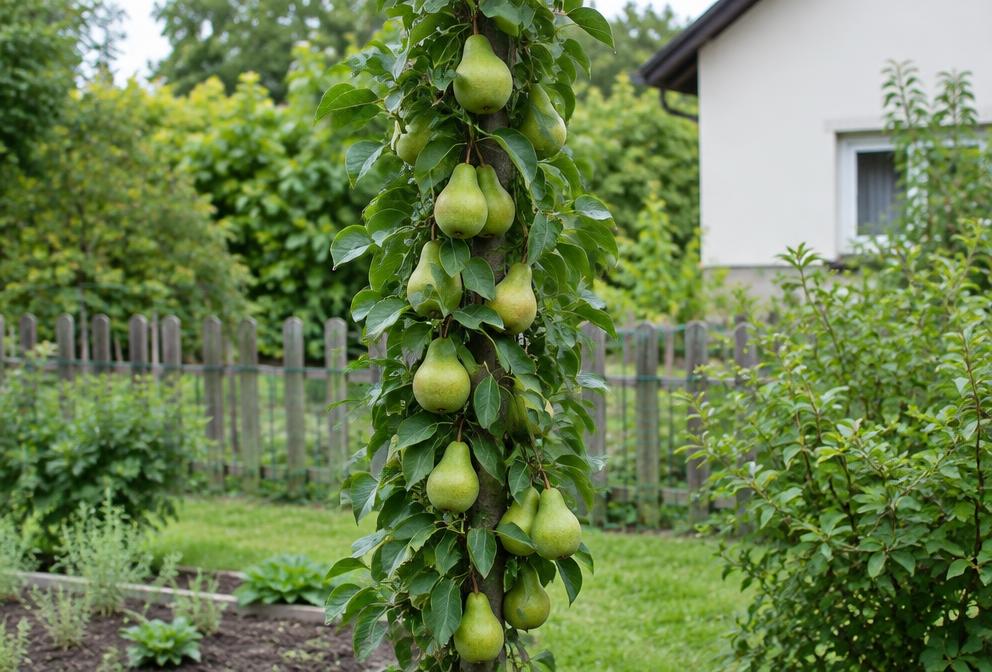
Columnar ("Säulenobst") pear
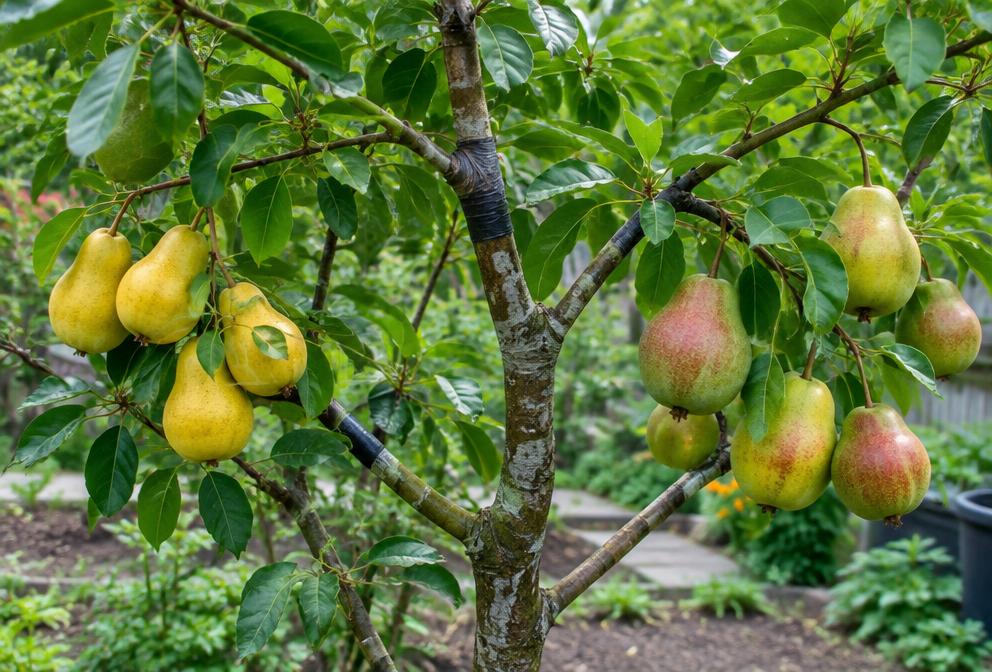
Normal size multivariety pear tree
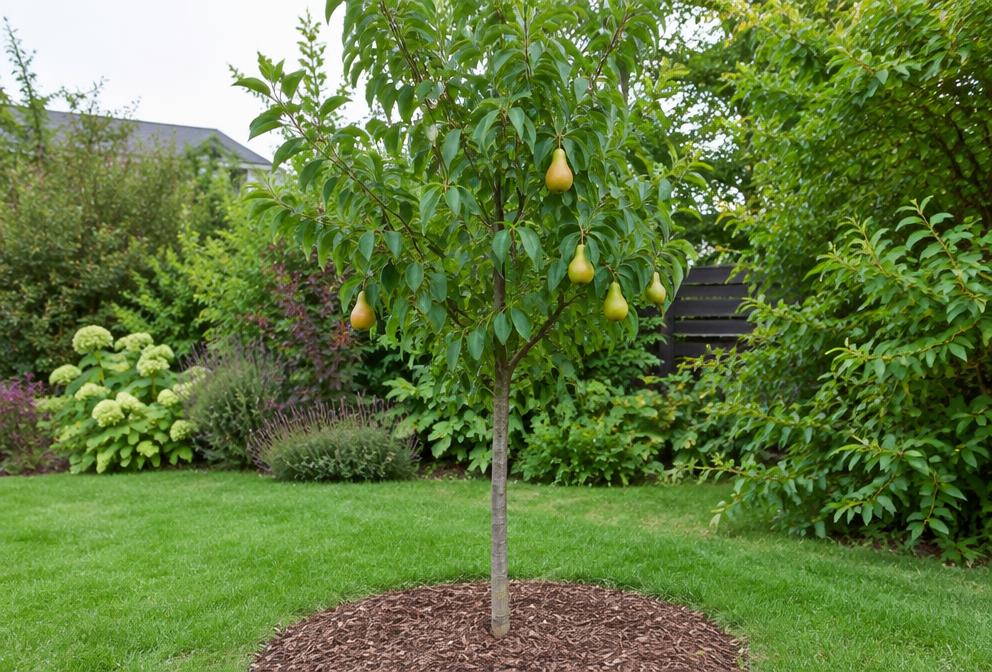
Normal size one variety pear tree
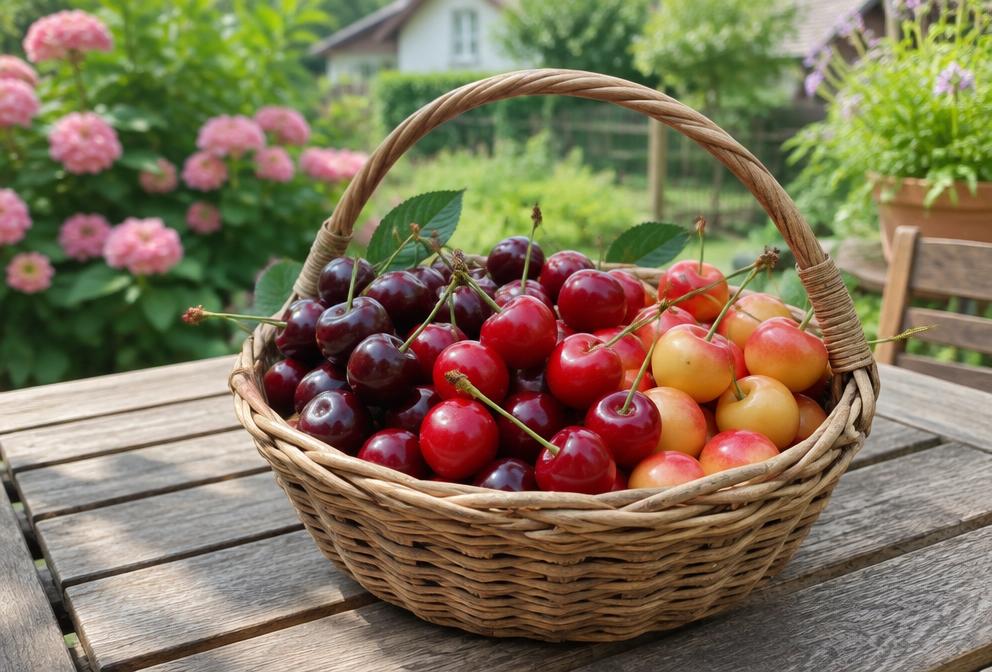
Sweet cherries
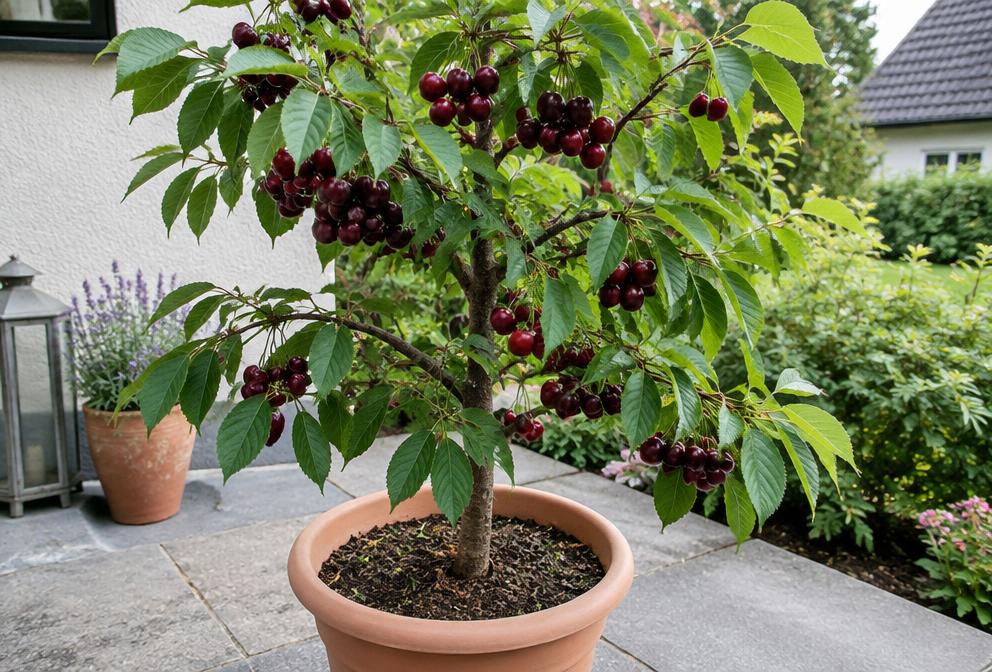
Dwarf sweet cherry
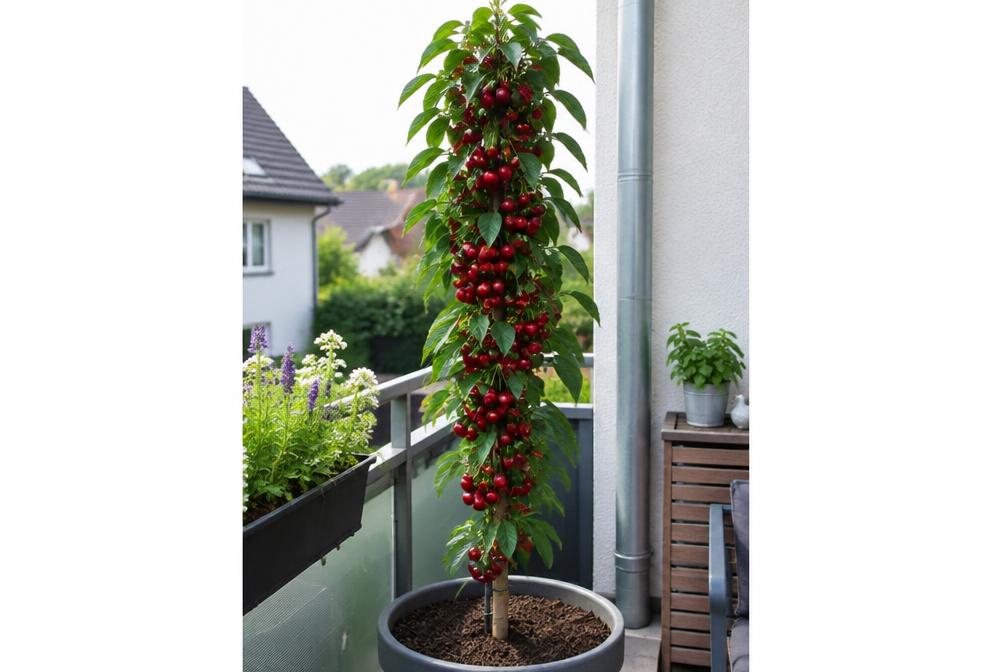
Columnar ("Säulenobst") sweet cherry
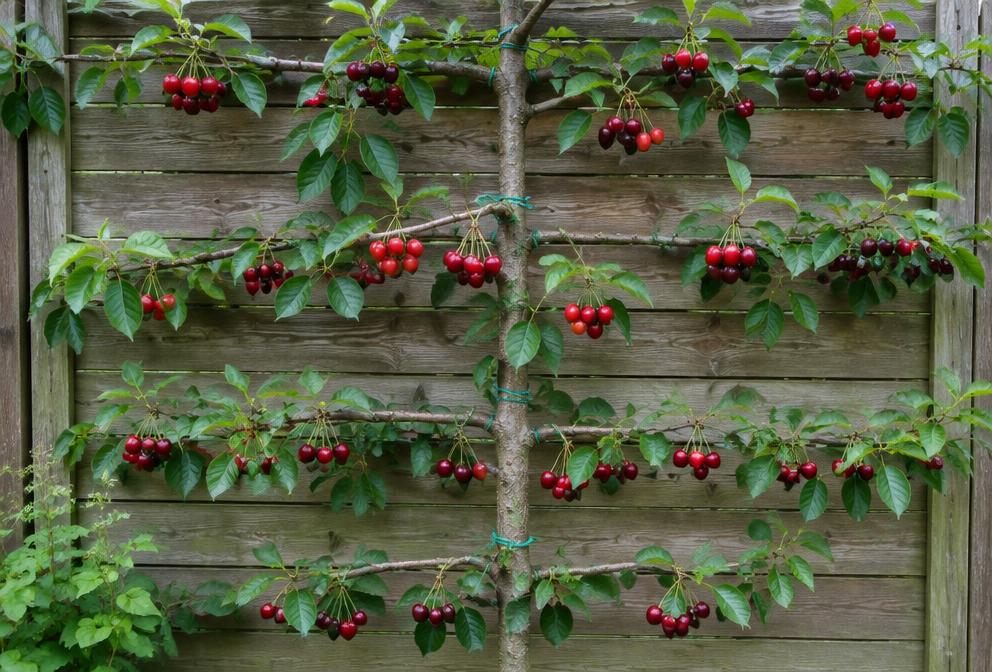
Normal size multivariety cherry tree
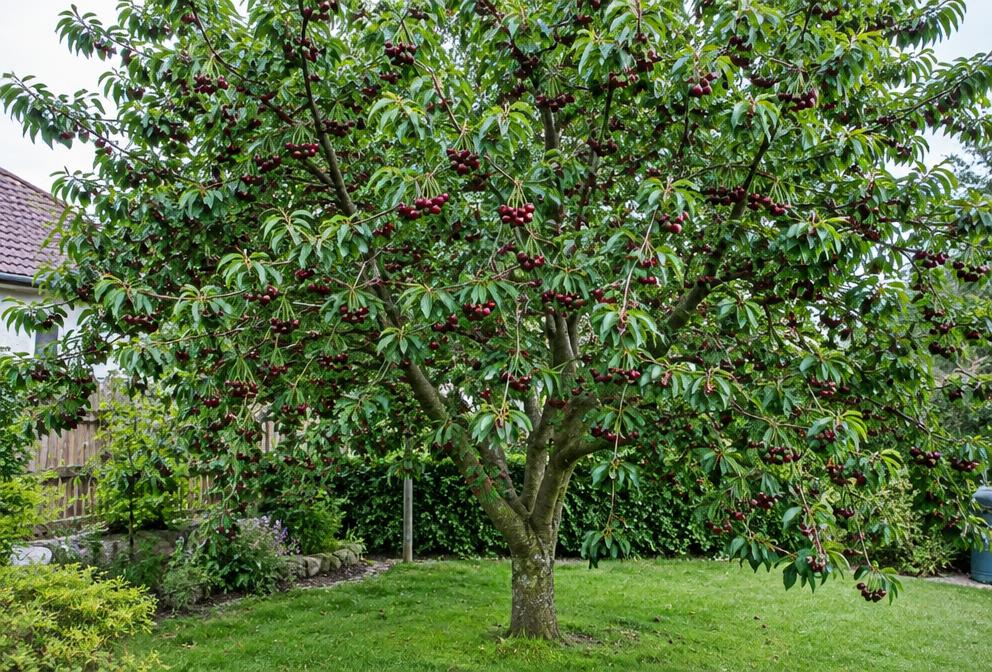
Normal size one variety sweet cherry tree
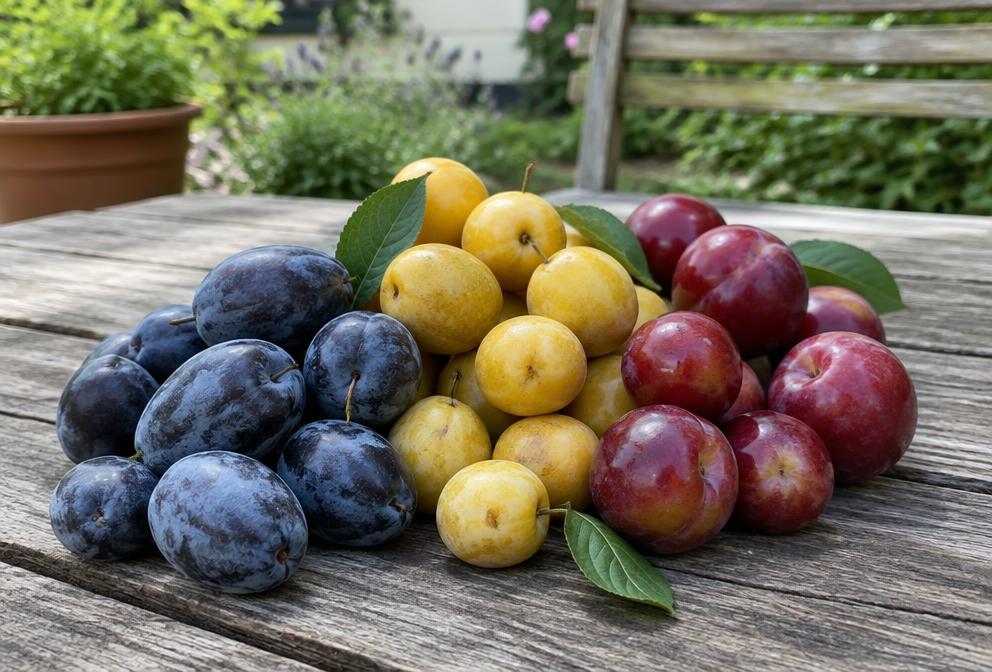
Plums
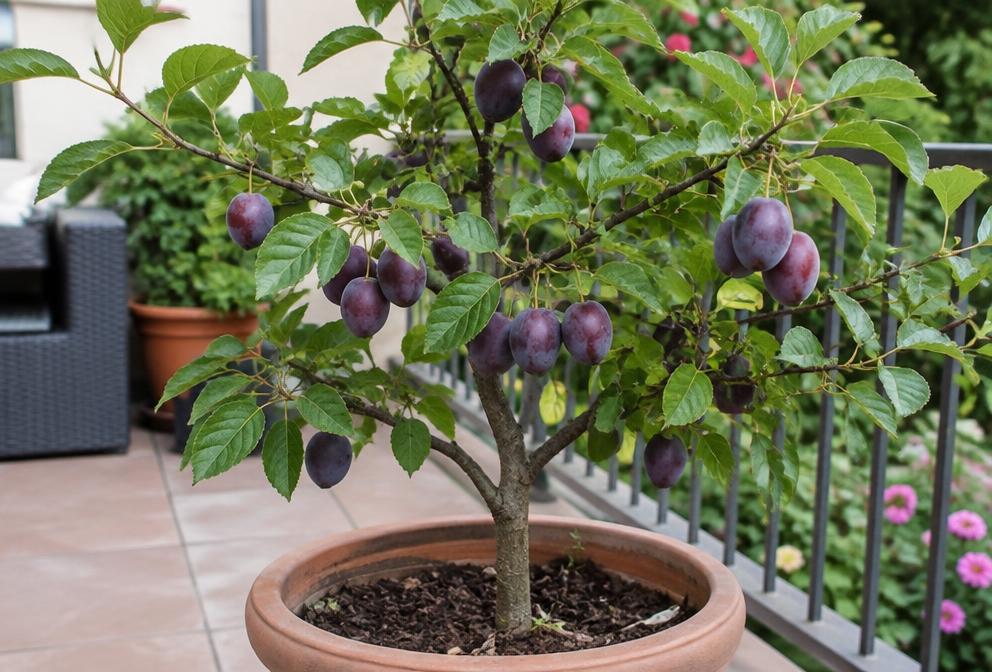
Dwarf/patio plum
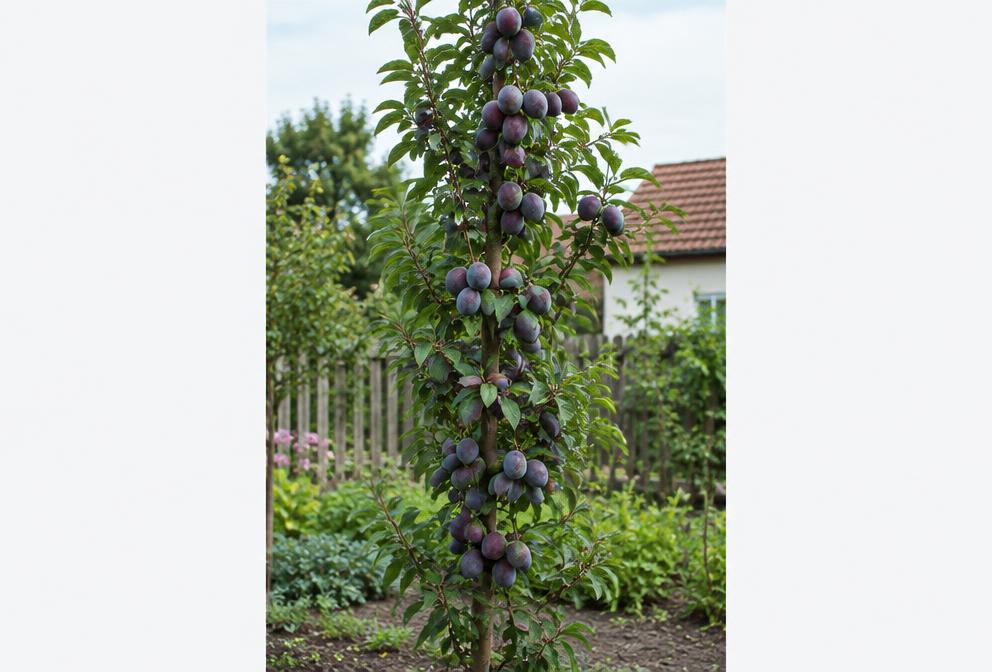
Columnar ("Säulenobst") plum
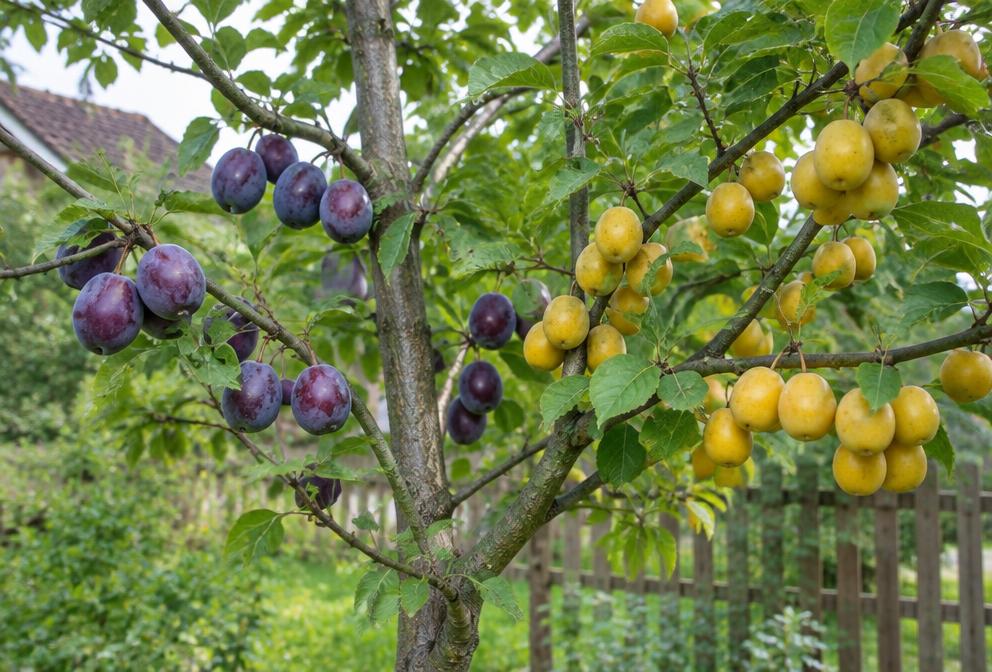
Normal size multivariety plum tree
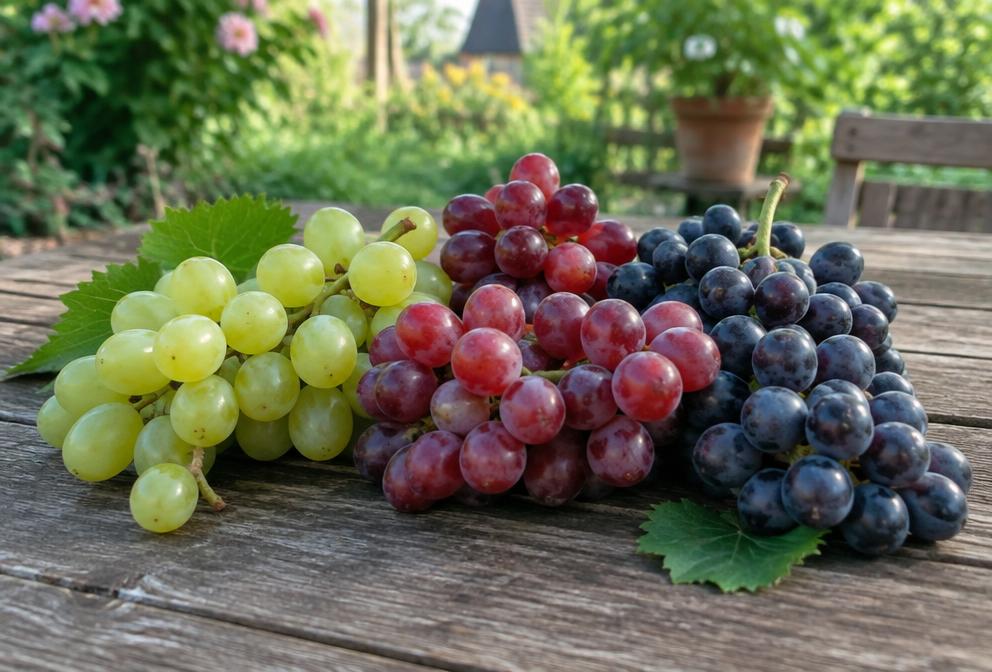
Table grape
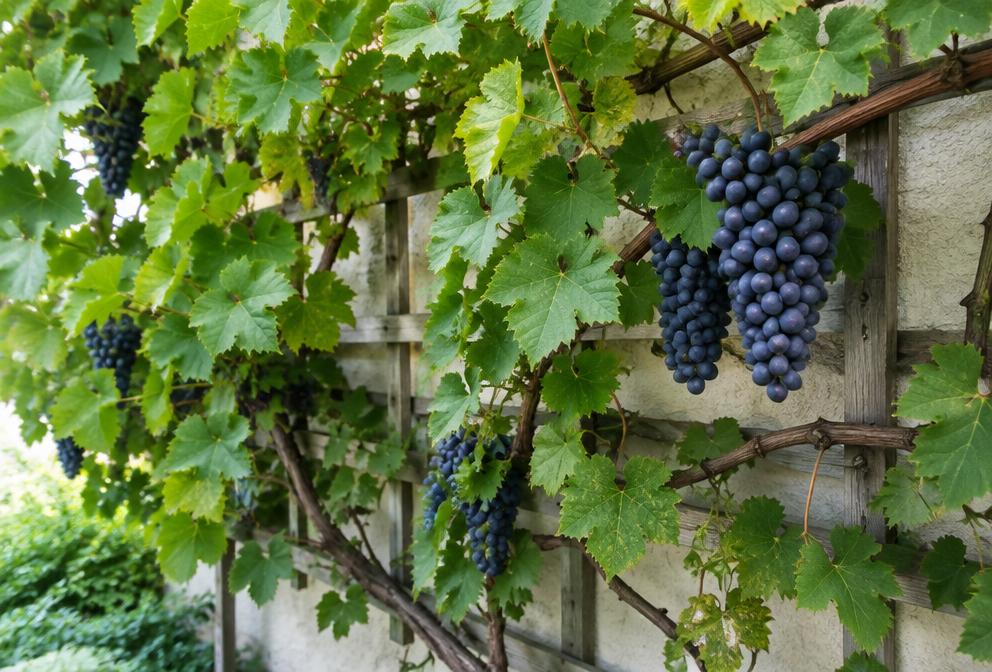
Table grape (PIWI varieties)
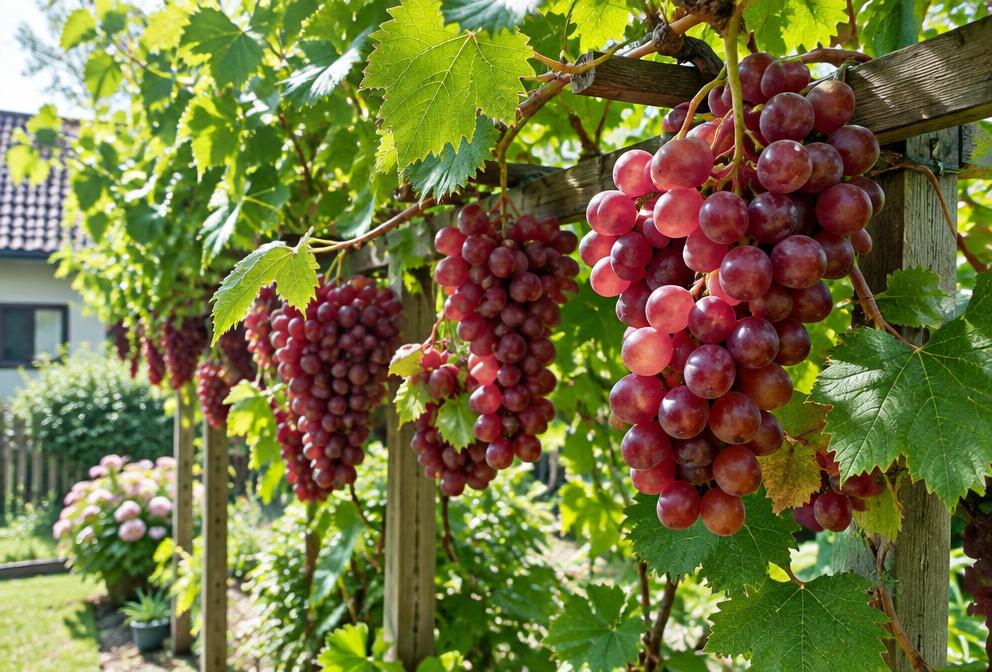
Table grape 'Vanessa'
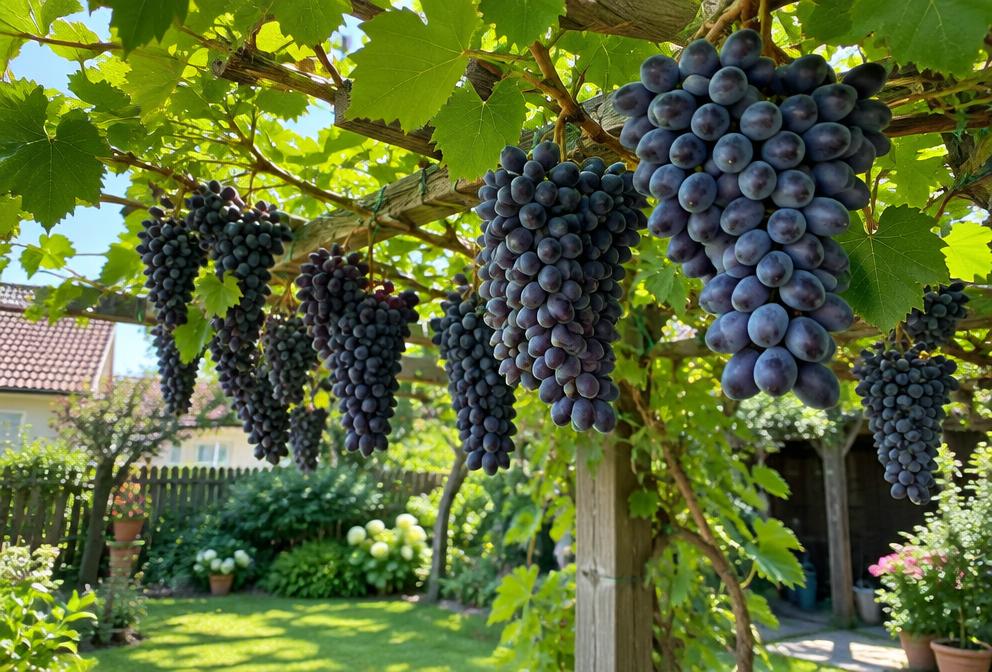
Table grape 'Venus'
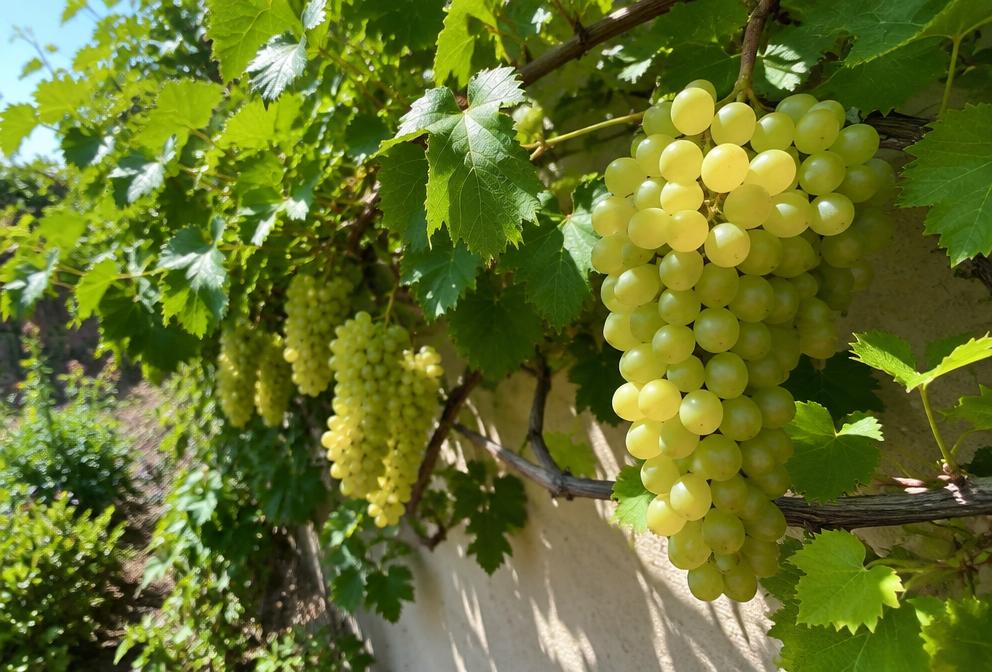
Table grape 'Lakemont'
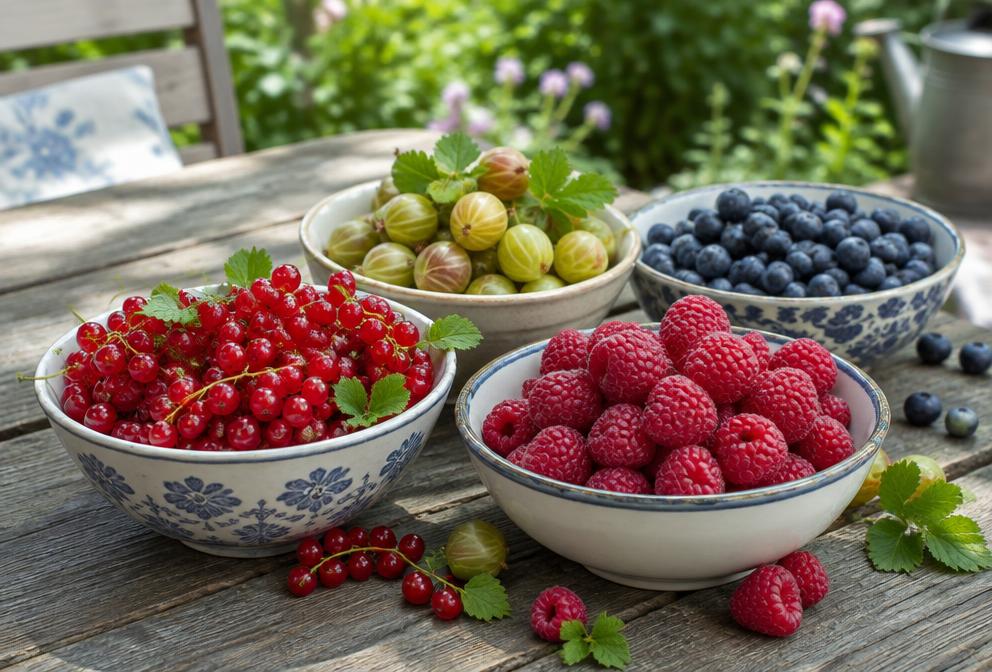
Berries & bushes
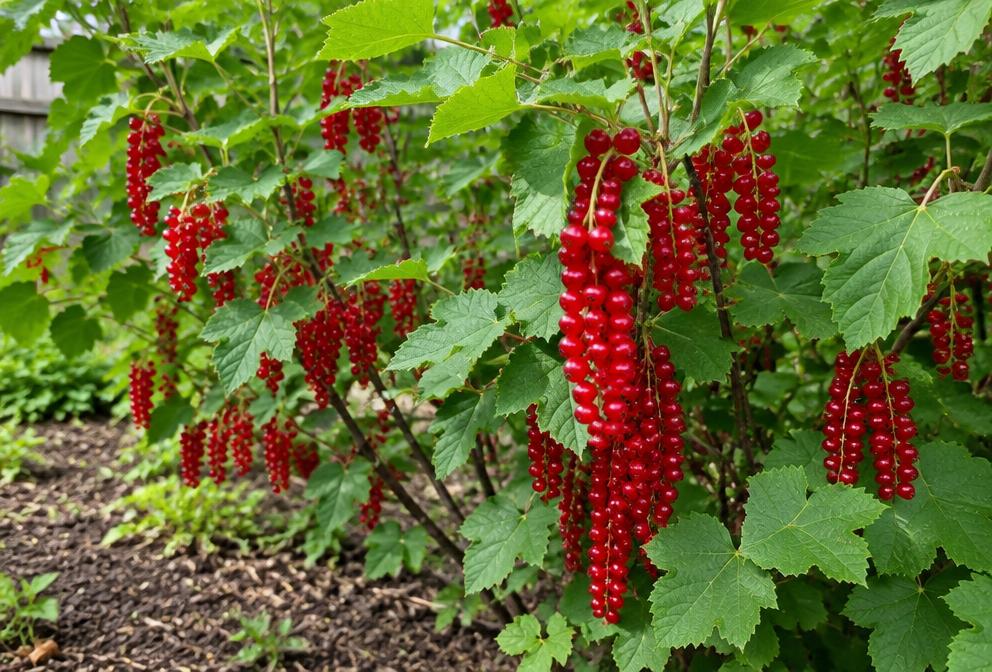
Red currants
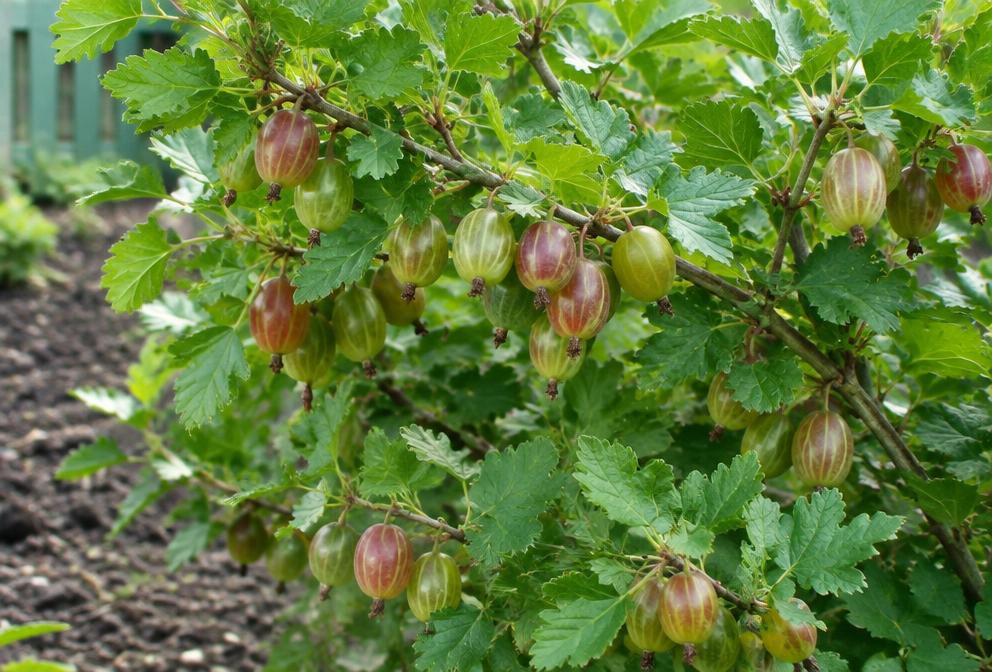
Gooseberries
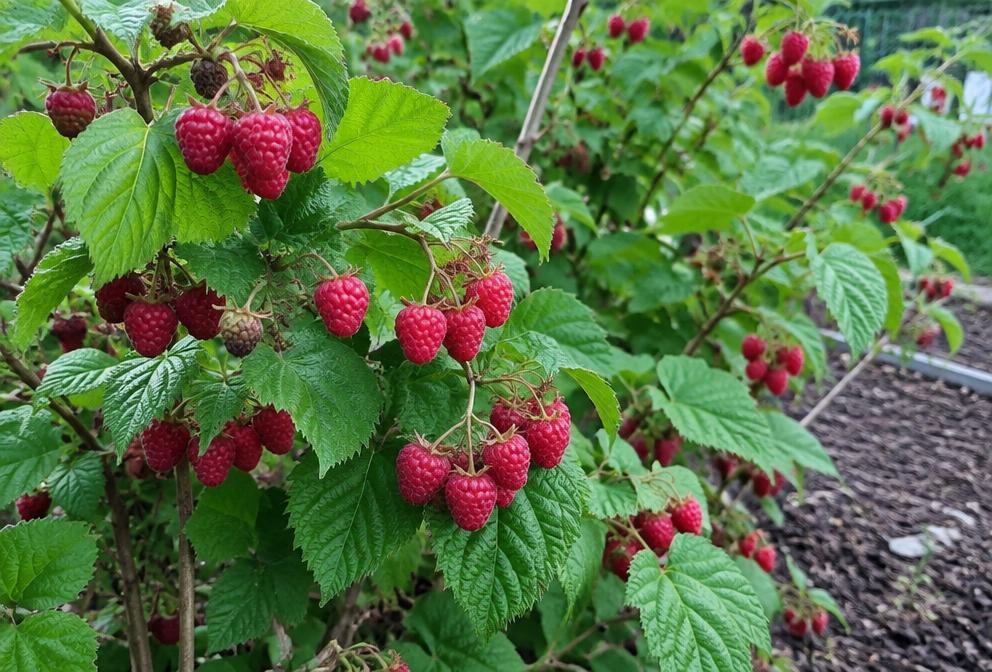
Raspberries
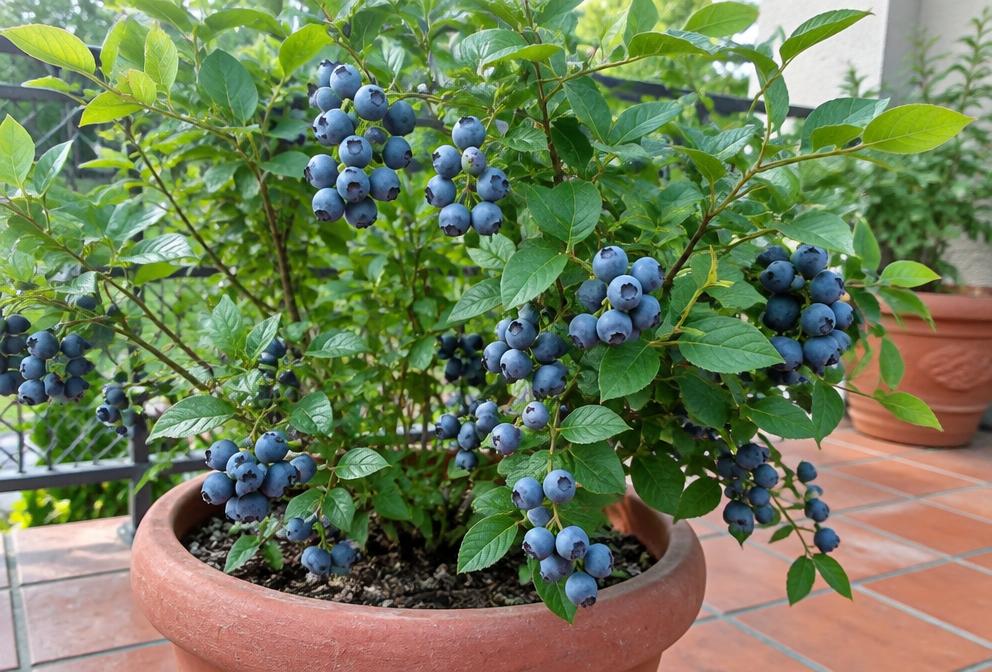
Blueberries (container)
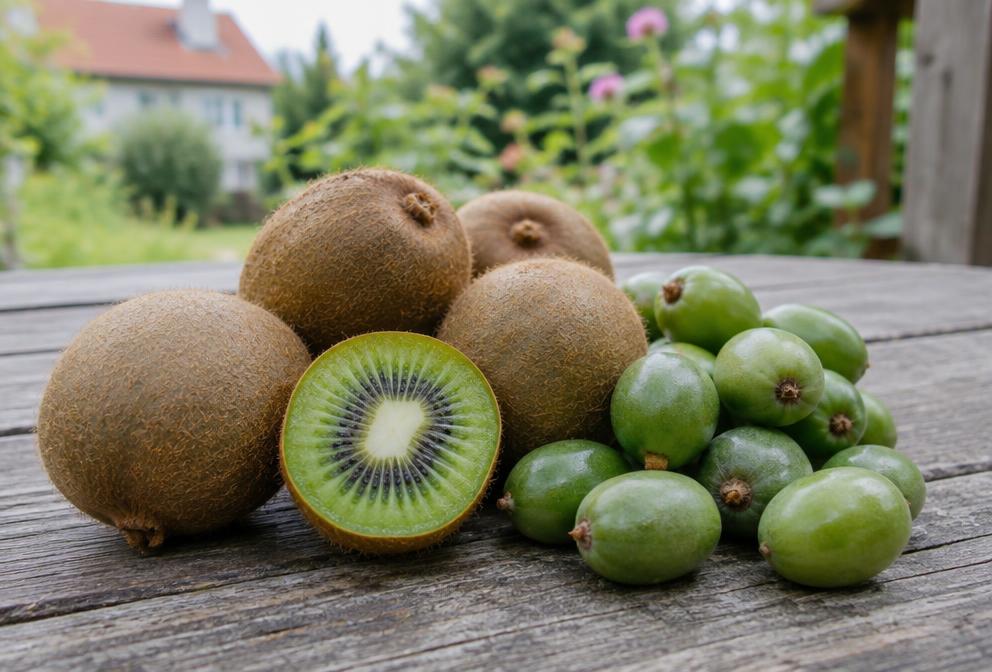
Kiwiberries & kiwi
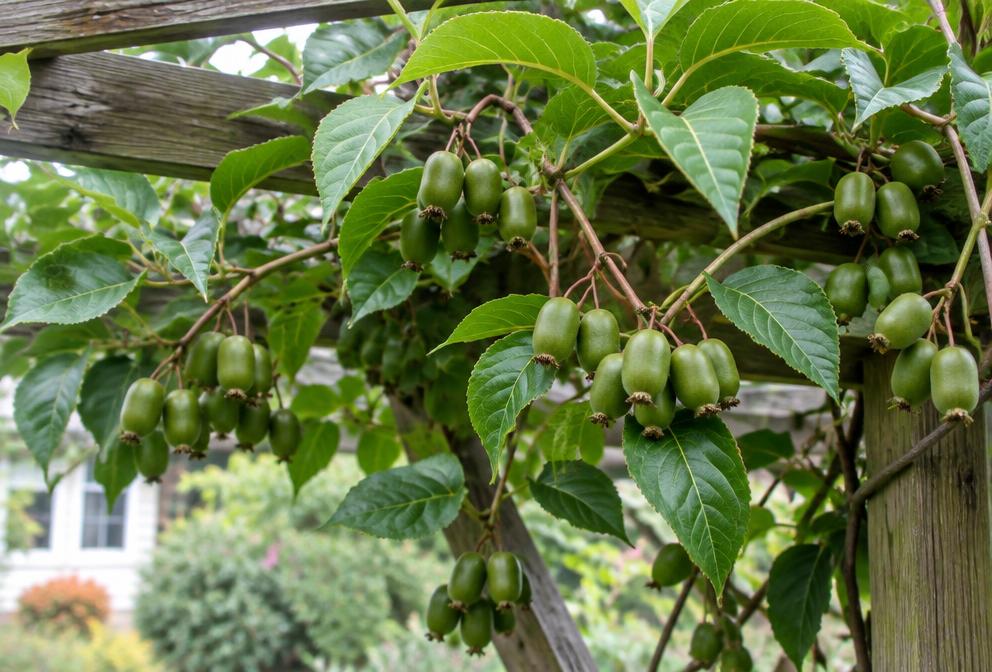
Kiwiberry 'Issai'
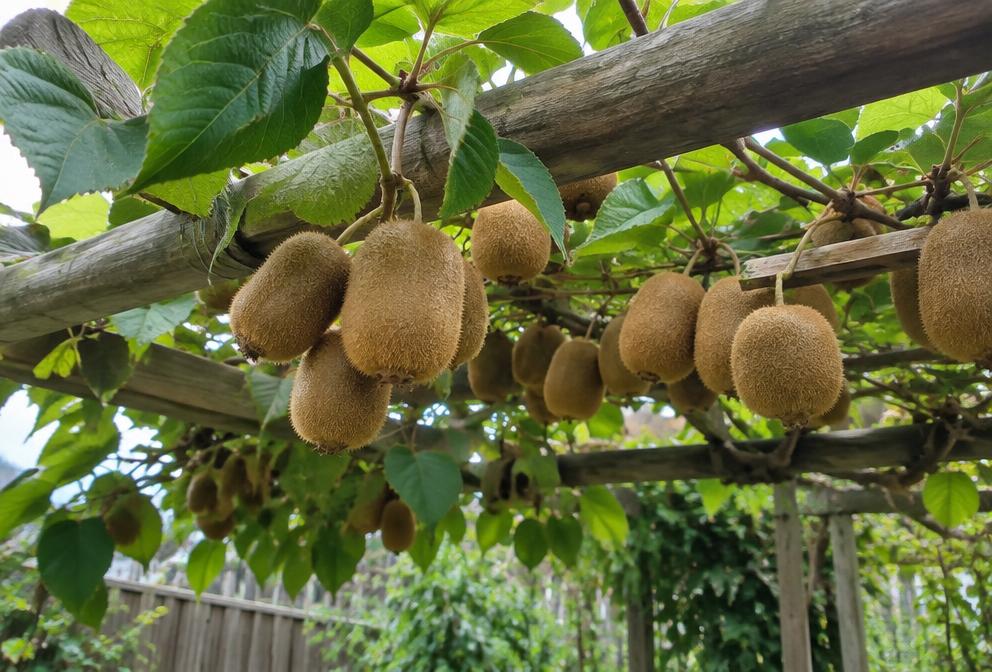
True kiwi ("Hayward")
A note on peaches and apricots: it's a common assumption that they simply don't suit the German climate, that's not quite right. In warm, sheltered wine-growing areas (the Rhine Valley, Rheinhessen, the Pfalz, Baden), both fruit reliably. Elsewhere, the real risk is spring frost damaging the very early blossom rather than winter cold itself, a warm, sheltered, south-facing spot can still work. That said, they're left off the starter list above for a second reason, not just climate: both come with a disease burden the trees above don't. Peaches are very prone to peach leaf curl (Kräuselkrankheit), it recurs every year if untreated, and repeated infections can weaken a tree badly enough to kill it, so a peach really does need a committed annual prevention routine, not an occasional one. Apricots carry a harder risk: Scharka (plum pox virus), an incurable, aphid-spread disease serious enough that Germany regulates it directly, an infected tree normally has to be removed. Dwarf/patio plum, on the starter list above, faces this same virus, but plum breeding has produced genuinely resistant varieties (see the Scharka card under "Organic pest & disease control" below), making plum a manageable, reliable choice despite the risk. Apricot breeding hasn't reached that point: the most disease-tolerant apricot variety available is only comparatively more tolerant than others, not proven resistant the way those plum varieties are, which is the main reason apricot stays off this starter list while plum doesn't. Neither disease rules peaches or apricots out if you're keen and ready for the extra care, but they're a step up from the low-maintenance starter list, not a beginner-first choice.
5 · Simple seasonal care calendar for Germany
Planting, pruning, feeding, and harvest.
As with vegetables, the safest all-Germany rule for anything frost-sensitive is the "Eisheilige" (Ice Saints), 11–15 May. Established, ground-planted trees and shrubs on this list are winter-hardy across the country, the real regional differences are in when the season starts and ends, and blossom frost risk in spring.
Southwest / Rhine Valley
Mildest and earliest, blossom and planting can happen 1–2 weeks earlier; also where peaches and apricots do best.
Central Germany
The Ice Saints date applies fairly directly as a guide for tender potted plants.
North / coastal
A cool, slow-starting spring but a mild, late autumn, suits autumn planting well.
East & higher elevations
The coldest, shortest season with the highest risk of late frost damaging early blossom.
| Season | Planting | Pruning | Feeding | Harvest |
|---|---|---|---|---|
| Late Winter (Feb–Mar) | — | Prune apple/pear/currant/gooseberry while dormant | First feed as growth starts | — |
| Spring (Mar–May) | Best for container-grown trees and berries; wait for last frost risk to pass for tender pots | Light shaping only | Second feed for hungry fruiters | Early currants from June |
| Summer (Jun–Aug) | Avoid, except potted nursery stock | Summer-prune trained/columnar trees; cut back fruited raspberry canes | Water deeply in dry spells | Cherries, currants, gooseberries, raspberries, early apples/pears, grapes |
| Autumn (Sep–Nov) | Best planting season, bare-root and container | Remove dead/damaged wood after leaf fall | Stop feeding by early autumn | Main apple, pear, plum harvest; raspberries, kiwiberries until frost |
| Winter (Dec–Feb) | Bare-root planting on frost-free days | Main structural pruning while dormant | — | — |
6 · Common beginner mistakes
Easy to make, easy to fix.
Planting too deep.
Burying the graft point, the slightly swollen kink near the base of the trunk, lets the fruiting part grow its own roots, which cancels out the dwarfing effect you planted it for.
→ Keep the graft point 5–10 cm above the soil line.
Choosing a variety that outgrows the space.
A full-size apple tree in a small bed becomes a real problem in a few years.
→ Always check rootstock/mature size, look for "dwarf", "columnar", or a code like M9/M27.
Assuming one tree is enough.
Many apple, pear, cherry, and plum varieties aren't self-fertile and need a compatible variety nearby.
→ Buy a labelled self-fertile variety, or plant two compatible ones.
Planting or pruning at the wrong time.
Heavy summer pruning removes leaves the tree needs to store energy; summer planting stresses new roots.
→ Main pruning in late winter; plant in autumn or early spring.
Over- or under-pruning.
Cutting too hard removes next year's fruiting wood; never pruning leads to a dense, disease-prone bush.
→ One light shaping cut a year for trees; remove a quarter of old wood yearly for currants/gooseberries.
Planting blueberries in ordinary garden soil.
Ordinary alkaline garden soil causes yellowing leaves and poor growth.
→ Grow blueberries in a pot of ericaceous soil, or test and amend if your soil is naturally acidic.
Forgetting containers need more water and winter protection.
Potted trees dry out fast in summer and roots are exposed to freezing in winter.
→ Check pots daily in heat; insulate or shelter pots once hard frost sets in.
7 · Legal & practical considerations
What to check before you plant.
Boundary distances (Nachbarrecht)
Regulated at state level in Germany, not nationally, each Bundesland has its own neighbour law. In Bavaria, for example: plants under 2 m need 0.5 m from the boundary; over 2 m need 2 m. Other states set their own numbers, so check your own state's law before planting near a shared fence.
Allotment gardens (Kleingarten/Schrebergarten)
The federal Bundeskleingartengesetz sets the broad framework; specific rules on tree height and spacing are set locally by each association's bylaws. Trees are usually expected on dwarf rootstock; conifers are often banned outright. Always check your association's Gartenordnung before planting.
Fire blight reporting
Fire blight (Feuerbrand) is a serious bacterial disease of apple, pear, and quince. Germany's nationwide mandatory-reporting requirement was repealed in October 2023, so you're no longer legally required to report it. It's still worth contacting your regional plant health office if you suspect it, though, they can help confirm it and track outbreaks in your area, rather than treating sudden, scorched-looking blackening of blossom or shoots as ordinary pruning.
Permits
Planting a fruit tree or shrub of the sizes discussed here doesn't generally require a permit anywhere in Germany. Removing an existing large tree may need a look at local tree protection rules (Baumschutzverordnung), check with your local Bauamt.
These are general pointers, not legal advice, state law, association bylaws, and local ordinances vary, so confirm specifics for your own location.
8 · Starter Q&A
Quick answers to first questions.
Get the occasional update
New guides, seasonal reminders, and upcoming Munich events, no spam, unsubscribe any time.